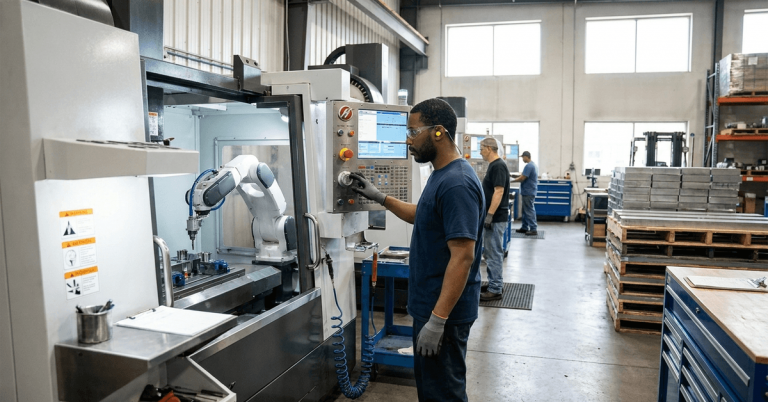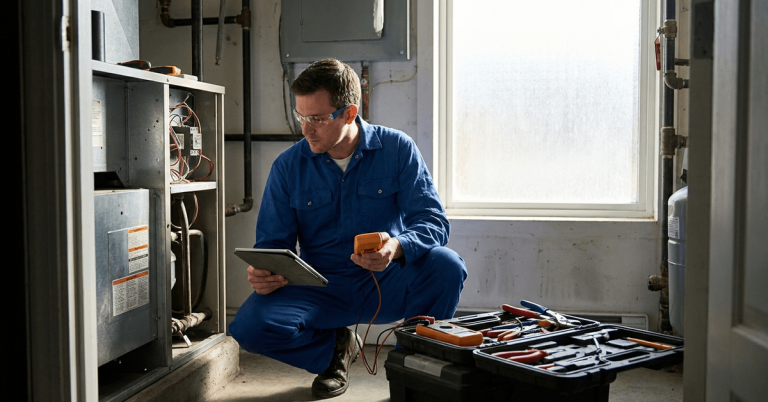
Manufacturing jobs often seem out of reach for people with no prior work history. Yet, the reality is quite different. Many companies actively look for workers willing to learn, even if they’re starting from zero.
This article is for job seekers interested in steady work, who perhaps feel uncertain about where to begin, or question if they have the right skills.



You’ll find practical roles, a sense of how to get in the door, and what to expect on the job—plus, a few honest reflections along the way.
Why Manufacturing Jobs Offer Real Opportunities for Beginners
The manufacturing sector frequently welcomes people with limited experience. Factories typically need reliable hands for tasks that can be learned quickly on-site.
This opens doors for those looking for a change or maybe their very first paycheck. I’ve noticed—sometimes unexpectedly—how fast someone with the right attitude can gain footing in this industry.
Constant Demand for New Talent
Manufacturing remains a cornerstone of the economy. As experienced staff retire, companies naturally need to replace them, so younger or less experienced workers find opportunities more often than in some other fields.
Clear Entry-Level Positions
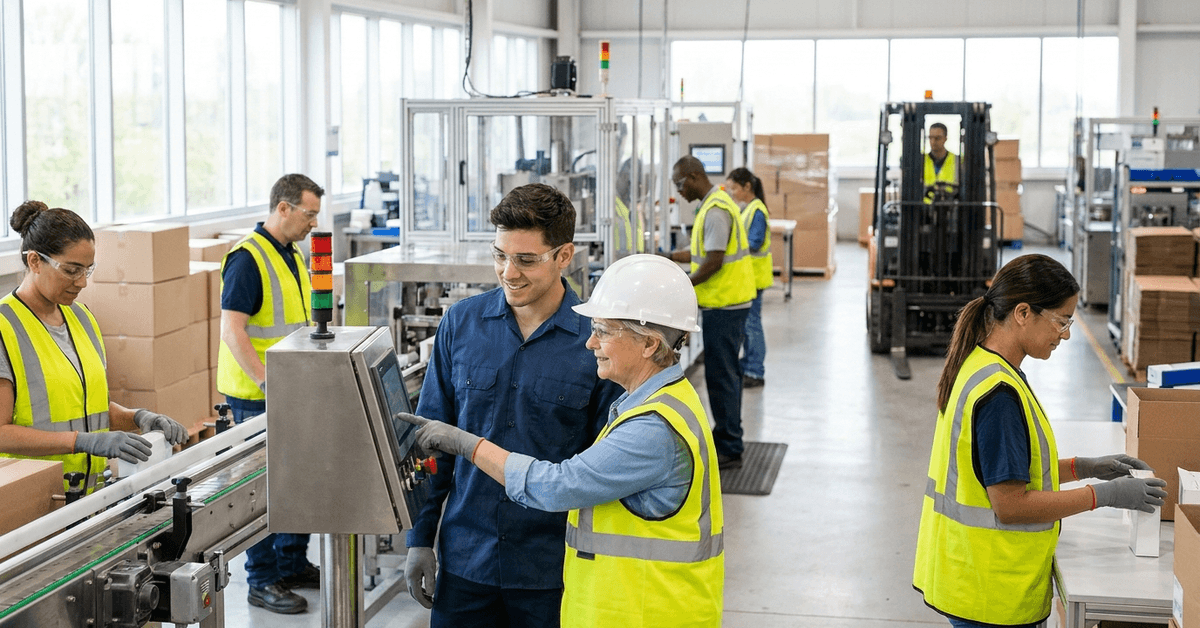
Many roles start at the ground floor. Even basic machine operation or packaging jobs usually come with training. Firms sometimes provide paid onboarding, easing that early learning curve for newcomers.
Growth Potential Over Time
It’s not unusual for someone who starts at the bottom to move up. Over years (sometimes sooner), promotions or skills upgrades become available. This isn’t a guarantee, but most plants will mention a clear path upward for those who stick with it.
Types of Manufacturing Jobs for Workers With No Experience
The phrase “no experience” might sound like a block, but most entry points are designed precisely for this. Different workplaces offer varied settings, but you’ll usually spot a few common job titles repeatedly.
Assembly Line Worker
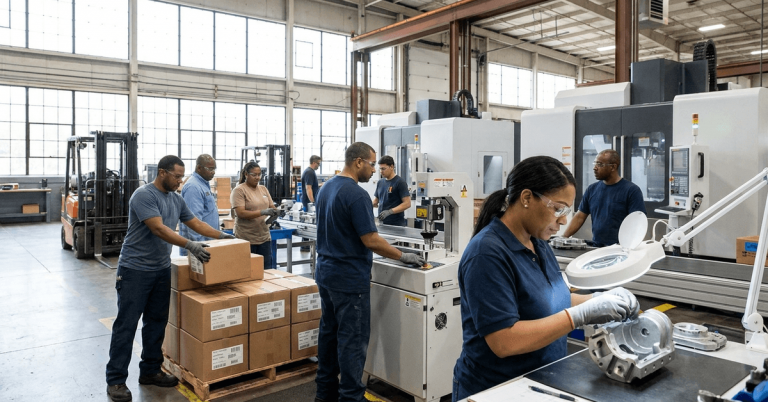
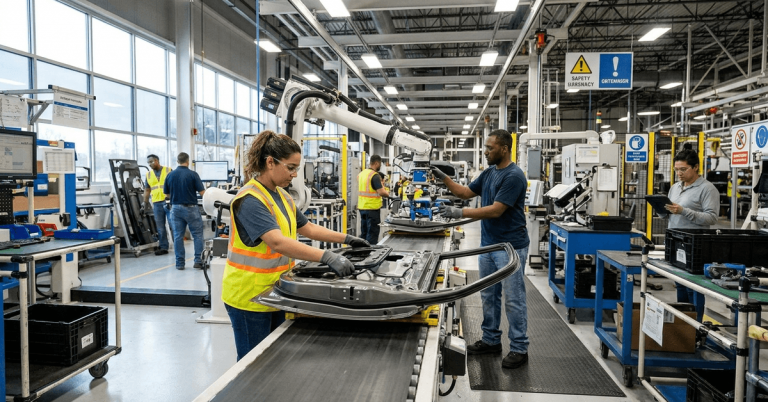
Perhaps the classic entry-level spot, these workers assemble products or parts as they move down a line. Basic manual skills and attention to detail are valuable; most employers run quick training lessons or pair new staff with more experienced colleagues.
Material Handler
Moving raw materials or finished goods within a factory, material handlers assist with loading, unloading, and organizing. Safety awareness and reliability tend to matter more than credentials.
Machine Operator Assistant
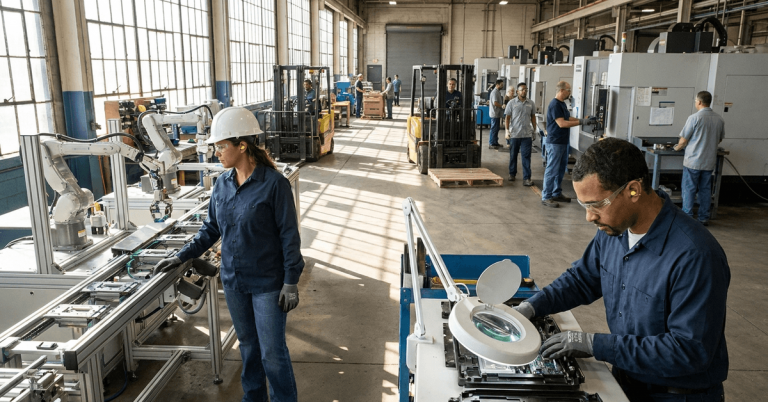
This role supports trained machine operators, ensuring equipment has materials, and watching for issues. It’s less about deep technical skill, more about being attentive and cautious—most skills are absorbed over time.
Packaging and Labeling Staff
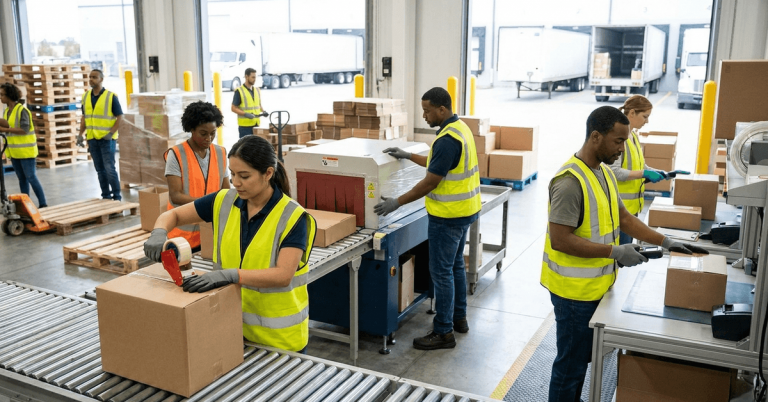
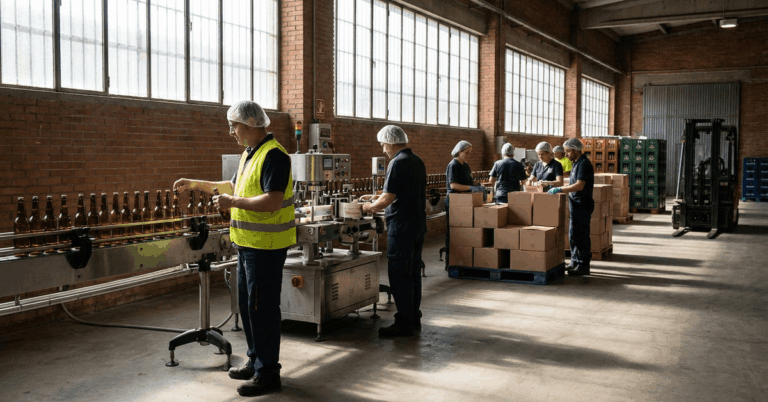
Workers in packaging assemble, wrap, or label products for shipment. A steady hand and some patience are useful, but no one expects you to be an expert on day one.
Warehouse Associate
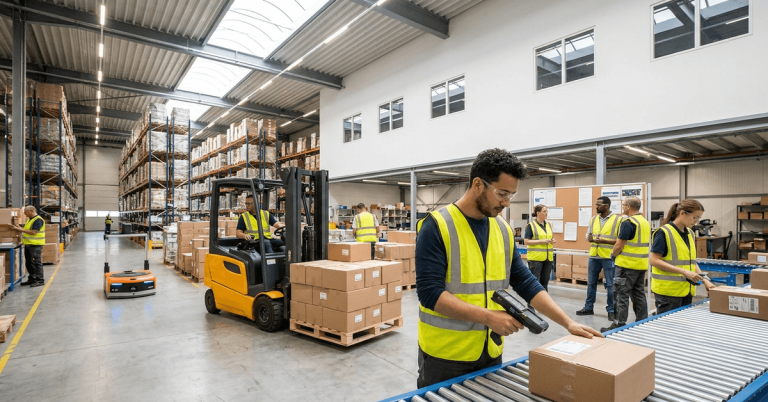
Many manufacturing sites run attached warehouses. Associates handle picking, packing, or inventory work. The pace can surprise newcomers, but tasks are usually repetitive—eventually, most people adapt.
Getting Started: Practical Advice for New Job Seekers
Some applicants worry that if they lack experience, no one will look at their resume. The truth? Employers in this field often care more about dependability and willingness to learn. Here’s a look at realistic first steps anyone can take.
Update Your Resume With Transferable Skills
Even if you’ve only worked odd jobs or volunteered, you may have skills that count in manufacturing—things like punctuality, ability to follow directions, or even organizing events. Listing these honestly can help catch a manager’s attention.
Use Reliable Job Platforms
Well-known job boards—for example, Indeed, Glassdoor, or the official LinkedIn site—often have dedicated manufacturing sections. Filtering by “entry-level” or “no experience required” can help narrow your search.
Apply Directly to Local Companies
Some plants or warehouses post jobs on their own websites or even in local papers. Walking in with a friendly, genuine introduction (if the company accepts in-person applications) can occasionally make a strong impression.
Prepare for Basic Assessments
A few companies may ask candidates to take simple math or logic tests. This isn’t about catching you out—it’s just a way to ensure you’ll be comfortable following instructions or measuring parts.
Skills You Can Build on the Job
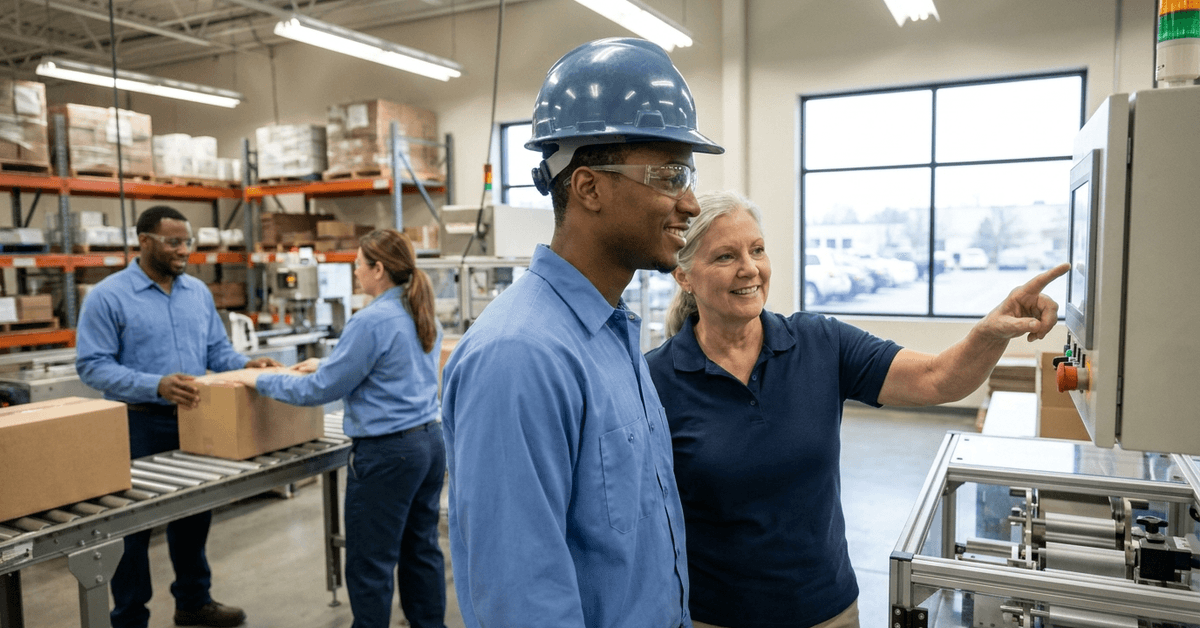
Having no direct experience doesn’t mean you arrive empty-handed. Many of the most valuable manufacturing skills are built while working, not before.
Attention to Safety
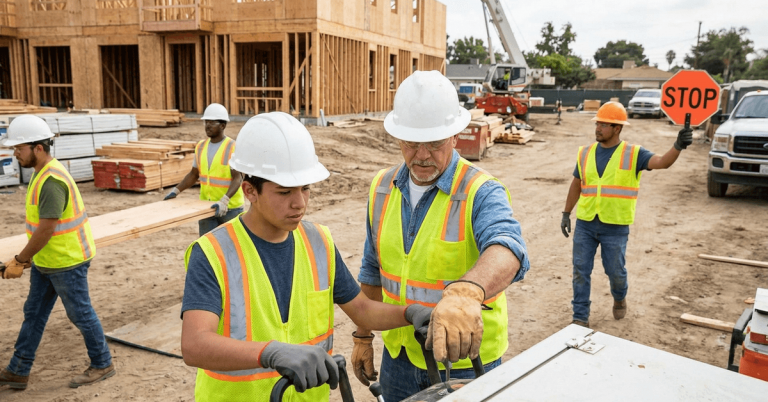
Factories prioritize safety. You’ll pick up habits—like wearing protective gear or monitoring for hazards—that become second nature after a while. Managers often say they care more about safety attitude than previous training.
Team Collaboration
Very little in manufacturing is solo work. Teams coordinate all day, sometimes communicating ideas in a hurry. You’ll likely improve how you work with others, even if you’re more of an introvert to start with.
Basic Technical Know-How
Over time, handling machines, reading simple schematics, or troubleshooting jams become familiar skills. Most staff recall being overwhelmed at first, but almost everyone adjusts as days go by.
What to Expect on the Job: Pros and Cons
It’s only fair to acknowledge that manufacturing isn’t for everyone. There are rewarding sides—plus some honest challenges.
Job Security and Benefits
Many manufacturing roles remain stable, offering paid holidays, healthcare, or even gym discounts. It’s not universal, though—some small shops provide fewer benefits, so researching individual employers helps.
Physical Demands
Expect to spend much of the shift moving, standing, or repeating certain motions. The physical nature can be exhausting but also satisfying for those who like to stay active. Still, it’s important to listen to your body and not push through pain.
Multiple Shifts Available
Most companies run more than one shift (morning, afternoon, overnight), which might fit various lifestyles. Yet, changing your sleep schedule can be a challenge at first—it’s a detail worth considering before applying.
Legal and Safety Considerations for New Manufacturing Workers
Manufacturing is usually regulated by strict laws to protect workers. Understanding the basics means fewer surprises and a safer start.
Worker Rights and Safety Standards
All employers must follow local safety guidelines. You should receive training on hazard awareness and be provided with protective equipment. Resources like OSHA (for U.S. workers) share clear overviews on their official site at osha.gov.
Labor Contracts and Probation Periods
New staff often sign initial contracts or enter probation phases, as is standard in most regions. Reading these carefully—sometimes with a friend or relative—can help clarify your position and benefits.
Reporting Unsafe Conditions
Companies usually want you to bring up any unsafe situation without fear of retaliation. If unsure where to turn, safety committees or union reps (when available) can guide you.
Not every workplace has a perfect track record, so it’s okay to ask questions if something doesn’t seem right.
Tips to Improve Your Long-Term Prospects in Manufacturing
For most, entry-level jobs are only the beginning. There are ways to make yourself stand out, even if you’re quiet or new to manual work.
Show a Willingness to Learn
Supervisors appreciate staff who are open to learning or cross-training in multiple tasks. Over time, this can lead to better pay or more interesting job duties.
Take Advantage of On-the-Job Training
Many factories offer skills workshops or certifications you can pursue. Joining these programs not only strengthens your own resume but may open doors within the company itself.
Consider Related Roles and Departments
If the job isn’t what you expected, other positions—like quality inspector or shipping assistant—might be a better fit. Sometimes, a sideways step can prove more rewarding than a straightforward promotion.
Conclusion
Starting out in manufacturing can be a practical choice for beginners with little or no experience. Entry-level roles can build steady work habits, hands-on skills, and confidence, while opening the door to better pay, training, and long-term career growth.