The construction industry in the United States is vast, filled with opportunities, and essential to everyday life. For anyone just starting out and looking for stable work, this sector holds real promise.
This article explores how newcomers can break into construction, what to expect, and what roles might suit you if you have little or no experience.



It’s perfect for career changers, recent graduates, or anyone considering hands-on work that can lead to long-term growth.
Why Consider Starting in Construction?
For those drawn to visible results and practical effort, construction work can be especially fulfilling. The industry is almost always in demand, perhaps because roads, bridges, homes, and offices don’t build themselves.
There’s a sense of pride in seeing completed projects knowing you’ve contributed. Even with little experience, beginners can find pathways into this field and, over time, advance quite far.
Types of Entry-Level Construction Jobs
Many people think construction is just about swinging a hammer, yet there’s a much wider range. Several roles require no specialized training and will teach you along the way. Below are some of the most common entry-level options:

Construction Laborer
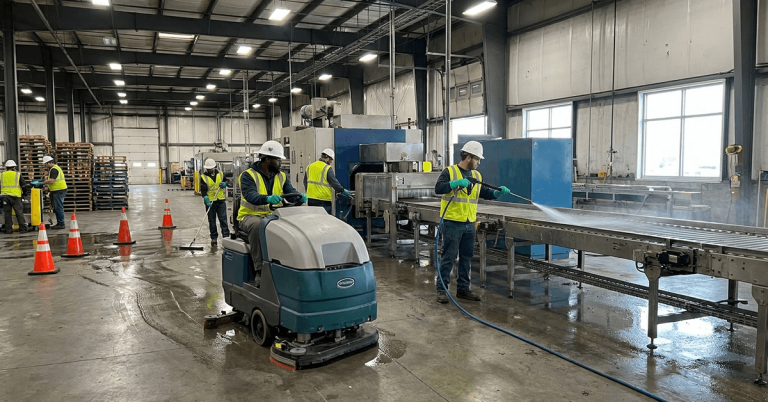
General laborers are the foundation of any work site. Duties may involve lifting, carrying, preparing materials, and basic site clean-up. It’s not glamorous, but it pays steadily, and skills build quickly.
Material Handler
Material handlers focus on organizing and moving supplies safely. This role doesn’t usually require much training, but it does demand attention and some physical stamina. Most sites will start new workers here to see how they adapt.
Flagger or Traffic Controller
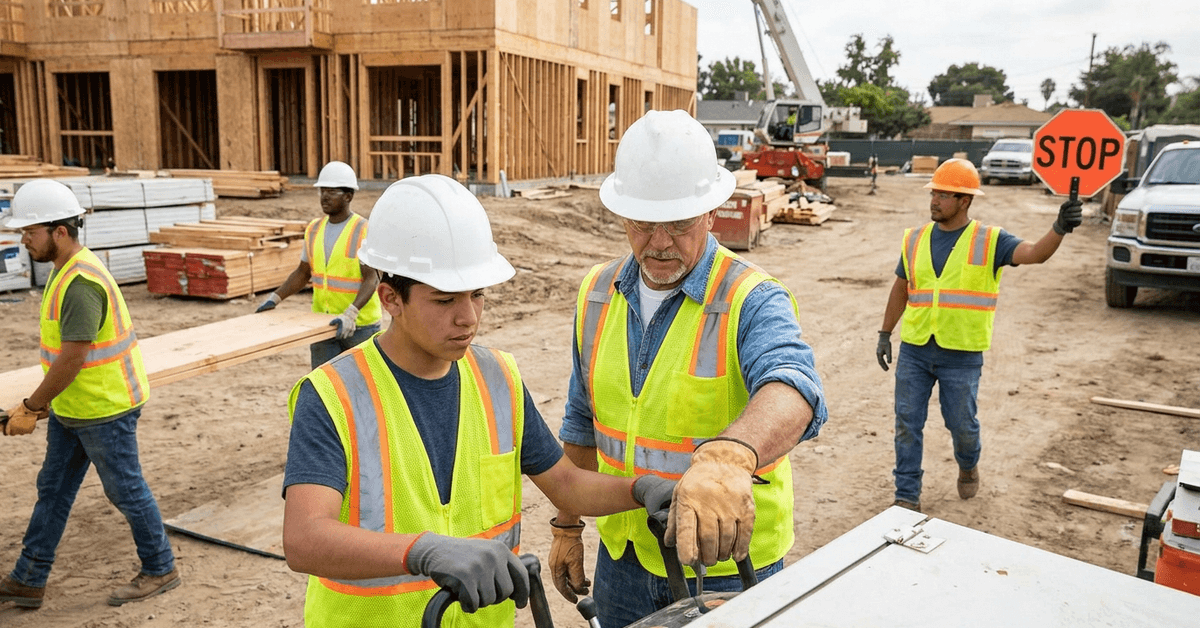
Many large projects need new crew to manage vehicles around a site. Flagger roles are often available to those without much experience. There might be short safety courses to complete first.
Apprentice Roles
Apprenticeships in areas like carpentry, electrical, or plumbing are structured learning opportunities. While they may involve tests or interviews, almost all welcome applicants with no experience—just a willingness to learn.
Helper Positions
Helpers support skilled tradespeople (think: painters, bricklayers, electricians). You might fetch tools, handle small tasks, and observe closely. This is often the fastest way to learn the tricks of any trade.
Skills and Qualities That Help Beginners Succeed
Curiosity about physical work helps, but there’s a bit more to it. Entry-level construction workers who thrive often have these qualities:
- Punctuality and reliability. Projects depend on every hand showing up as promised.
- Willingness to learn. Newcomers need to adapt and ask questions, even if it feels uncomfortable at first.
- Attention to safety. Construction environments have risks, so a cautious approach is valued.
- Physical readiness. Most beginner jobs are active—lifting, walking, and sometimes working outdoors in any weather.
Even with all this, some of these skills grow naturally over time. Not everyone starts off perfectly prepared, and that’s pretty normal.
Training, Certification, and Advancement
Many construction jobs for beginners don’t mandate formal education past a high school diploma or equivalent.
However, taking short courses, like OSHA 10-hour safety training, can give applicants an advantage. These certifications are widely recognized and show a real commitment to working safely, which almost every employer wants to see.
If someone’s aiming for long-term growth, it’s worth considering union apprenticeship programs or community college trade certificates.
While not essential at the start, these can later open doors to higher-paying roles or even management. The most skilled and dependable workers are often promoted from within, too, whether they planned for it or not.
Pay and Benefits: What Can Beginners Expect?
Earnings in entry-level construction jobs vary depending on region, specialty, and employer.
Generally, hourly pay for laborers or helpers starts near minimum wage and can rise with experience. Some union jobs offer higher base pay and better benefits, including health insurance and overtime.
Here’s a rough look at potential starting wages:
- General laborer: $14–$18 per hour*
- Material handler: $13–$17 per hour*
- Flagger/traffic control: $12–$17 per hour*
- Apprentice trades: $15–$23 per hour*
*Wages can fluctuate depending on location, union agreements, experience, and site requirements.
Job Search Strategies for Construction Beginners
Many first-time construction workers land roles by walking onto sites and speaking with supervisors. But job boards and staffing firms are increasingly common for safe, legal job searching. Here are some ideas for getting started:
- Explore Indeed.com, Glassdoor, and local classified ads for listings
- Contact local construction companies directly (especially for helpers or laborers)
- Check with labor unions or workforce centers—they sometimes hold hiring events or post jobs for apprentices
- Talk to friends or acquaintances in the industry for referrals
Keep in mind, some regions have more jobs during peak construction months, so timing can help.
Safety and Legal Requirements Every Beginner Should Know
Before stepping onto any site, workers in the United States should be aware of safety guidelines. Some states require short training courses—especially for those under 18.
Employers are also obligated by law to provide necessary safety gear, such as hard hats, gloves, and eye protection.
Legal Working Age
Most jobs require applicants to be at least 18, though in certain states, younger individuals can work under supervision with specific permits. Double-check local regulations, as these can change.
Documentation and Authorization
Applicants need to provide proof of authorization to work in the U.S., typically a Social Security number and valid identification. Every employer must follow the law in checking employee eligibility.
Health and Physical Demands
While some positions are less demanding, many require physical stamina. It’s helpful to consider this ahead of time to avoid surprises after starting.
Challenges and Rewards: What to Expect
Construction isn’t for everyone. The work can be dirty, noisy, and sometimes a bit unpredictable, at least at first.
Schedules may start early, and there’s exposure to changing weather. But, perhaps, that mix is precisely what attracts many people—it feels real and unfinished in a good way.
For those willing to stick with it, construction offers a chance to gain practical skills and earn steady pay, with the possibility of progressing to more specialized, respected roles.
It may not promise quick riches, though over time, advancement and satisfaction are very real possibilities.
Conclusion
Beginner construction jobs in the United States can turn practical effort into real career progress. With safety training, reliable habits, and a willingness to learn, new workers can gain experience, earn steady income, and build toward stronger opportunities over time.