Job hunting when bills stack up is exhausting. Food processing plant jobs keep popping up on Indeed because they hire constantly. That constant hiring is a green flag and a fair question.
My take after looking at how these plants operate in 2026: the pay is fair, and the path up is shorter than people assume if you pick the right starting role.


I’m writing this for the person who’s tired of gig apps, retail floors, or warehouse churn and wants something with a paycheck that shows up the same day every two weeks.
Food processing plant jobs cover meat, dairy, canned goods, frozen meals, and packaging lines. Each plant runs differently. Treating them as one big category is the first mistake worth avoiding.
What Food Processing Plant Jobs Really Look Like From the Inside
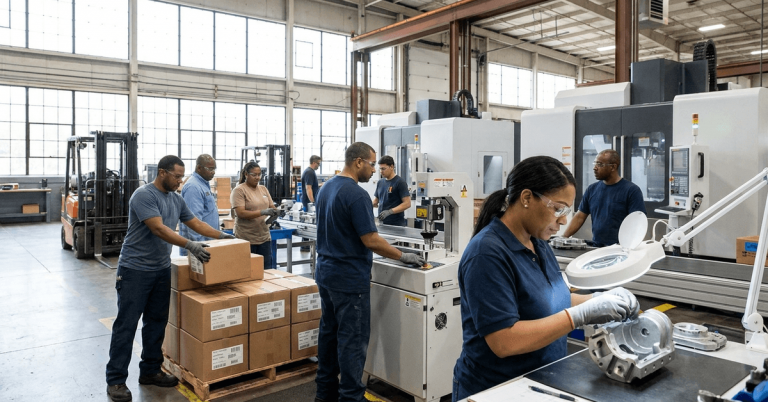
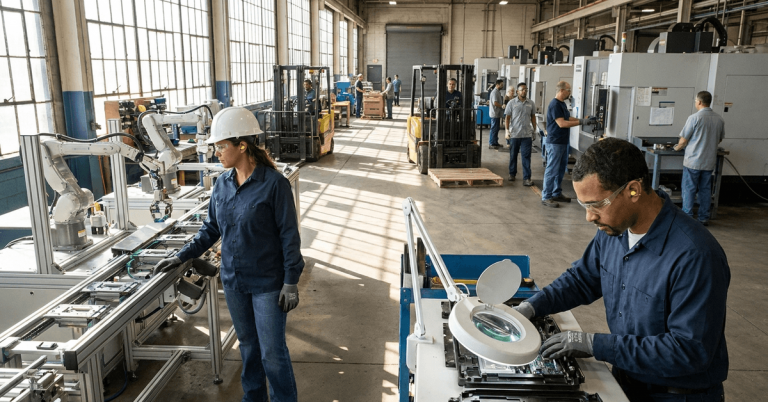
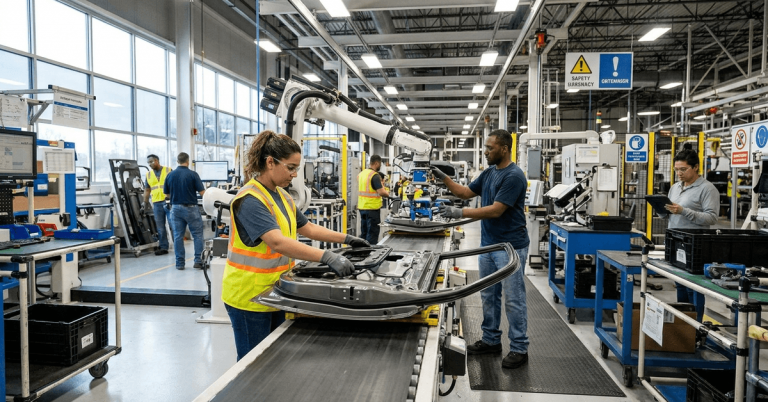
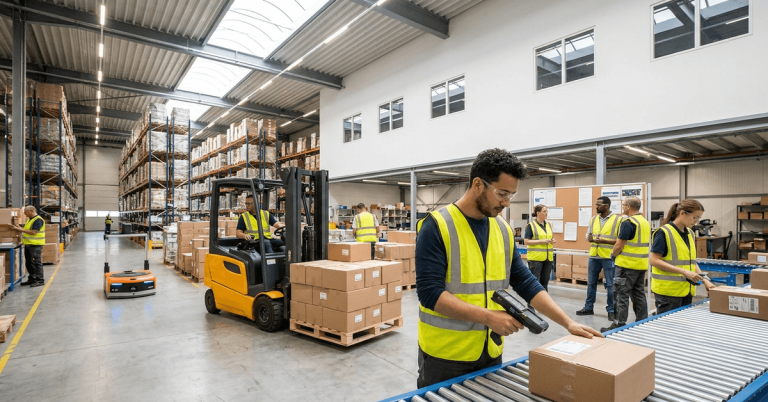
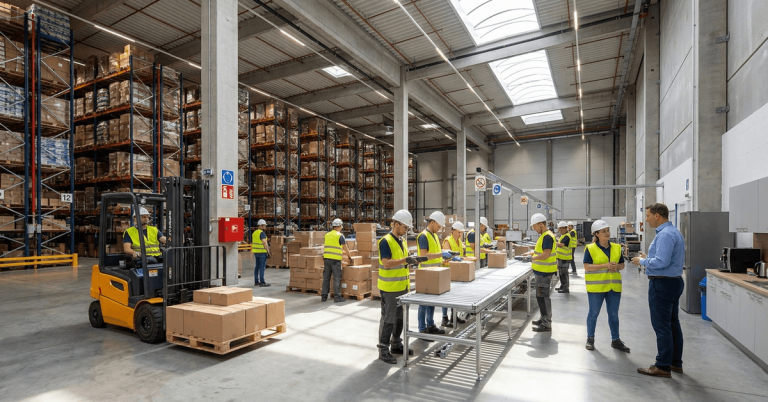
Food processing plants take raw farm goods and turn them into the boxed, bagged, canned, and frozen items on store shelves. The work happens in cold rooms, hot rooms, packaging lines, and quality labs. Each plant has its own rhythm.
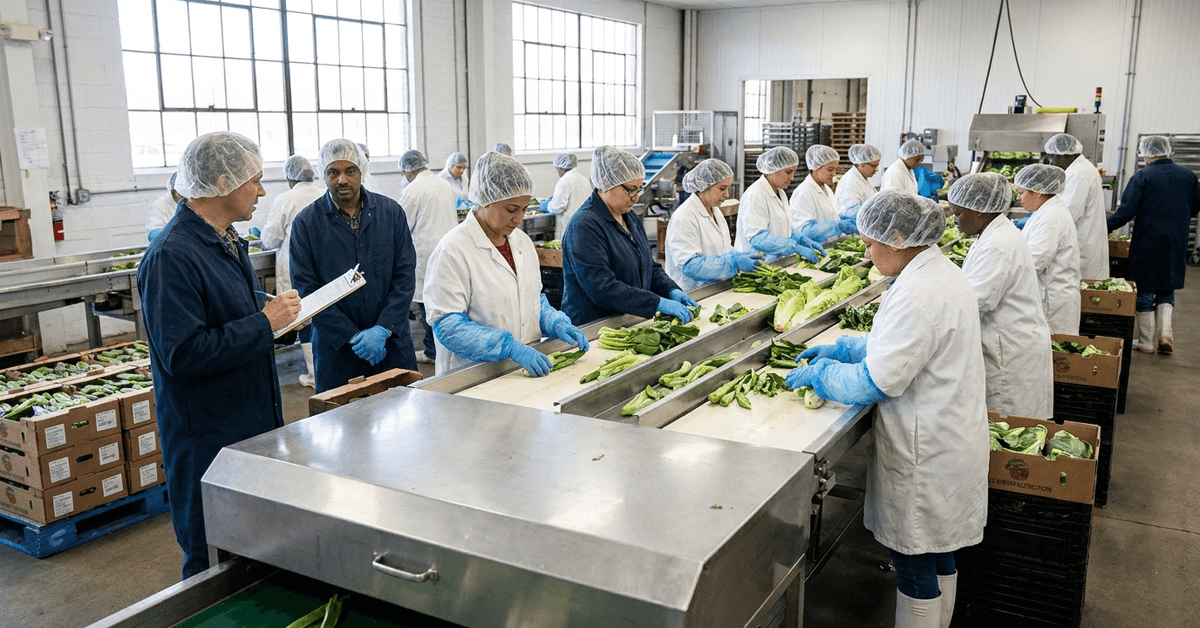
The pace is steady but rarely chaotic. Lines move at a set speed. Your job is to keep up with that speed, follow safety rules, and not slow the line. That is the whole game on day one.
I think the biggest misconception about food processing plant jobs is that they are all meatpacking. They are not.
A Frito-Lay plant in Texas runs nothing like a Tyson Foods chicken plant in Arkansas, and a General Mills cereal facility looks closer to a small factory than a slaughterhouse.
The Roles that Hire Fastest and What they Pay Attention To
Plants post the same handful of job titles over and over because turnover hits some roles harder than others. Knowing which roles get filled fastest tells you where to apply if you need a paycheck soon.
Production Line Worker
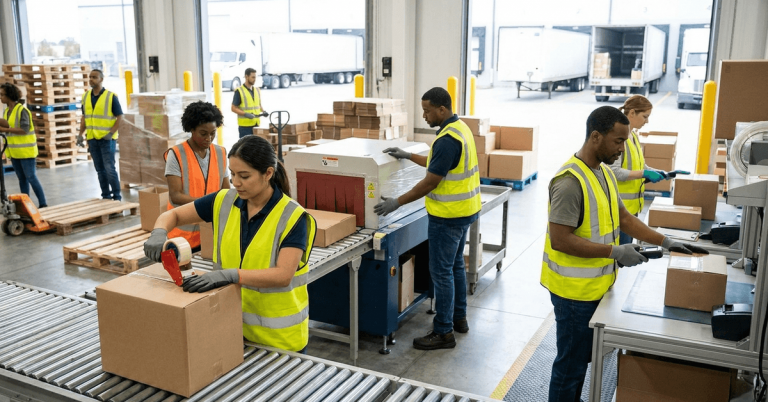
This is the role almost everyone enters through. Tasks include sorting product, packing boxes, feeding machines, and watching for defects. Training happens on the job, usually a few days of shadowing before you run a station solo.
Quality Assurance Technician
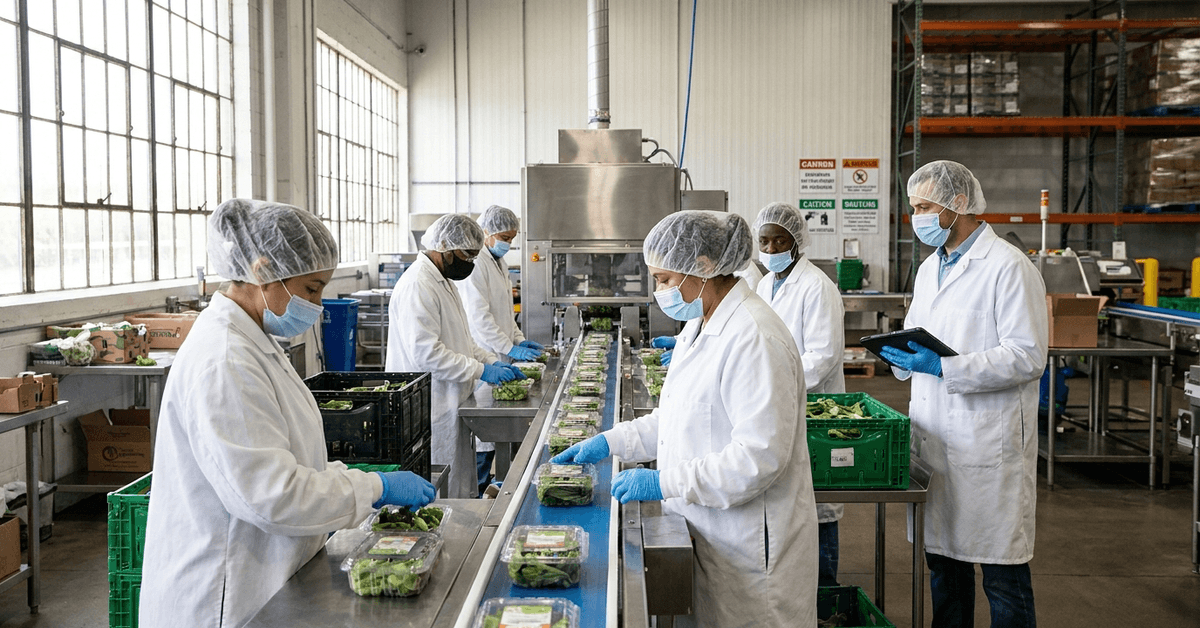
QA techs pull samples, log temperatures, check weights, and flag anything off-spec. Some plants want a food science background. Others train from inside and promote production workers who show real attention to detail.
Maintenance Technician
Maintenance keeps the conveyors, mixers, and sealers running. Pay is higher because mechanical skill is harder to find. A certificate in industrial maintenance or HVAC is a strong door-opener.
Sanitation Worker
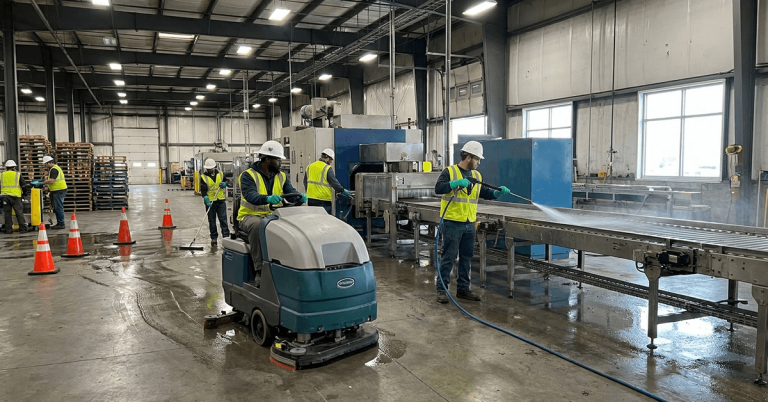
Sanitation runs on third shift in most plants, scrubbing equipment between production runs. The work is loud and chemical-heavy. The trade-off is a shift differential that can add a couple of dollars an hour over day-shift production rates.
Supervisor and Team Lead
Floor leads handle scheduling, paperwork, and the human side of keeping a line moving. Almost all of them got promoted from within after a year or two of clean attendance and visible reliability.
The Pay, the Overtime, and the Math Nobody Walks You Through
Entry-level wages depend on region. A production worker in rural Iowa starts lower than one in a high-cost California town, but the hourly number alone does not tell you what your paycheck looks like.
Overtime is where the real money lives. Heavy production seasons like holiday hams, summer ice cream, and back-to-school lunch packaging push 50 to 60 hour weeks. Time-and-a-half on hours 41 and up changes the math fast.
Below is a rough comparison of how common roles stack up on pay structure, training, and physical wear:
| Role | Pay structure | Training needed | Physical wear |
|---|---|---|---|
| Production line | Hourly + OT | On the job | High and repetitive |
| QA technician | Hourly, sometimes salaried | Internal or food science background | Moderate |
| Maintenance | Hourly + premium | Trade certificate helpful | Moderate, varied tasks |
| Sanitation | Hourly + shift differential | On the job | High, chemical exposure |
The takeaway: hourly rate alone is misleading because shift differentials and overtime change the real number more than the base wage.
Benefits at larger employers often include health insurance, paid holidays, and a 401(k) match. Smaller regional plants may skip retirement matching but offer faster promotion windows. Read the offer letter line by line before signing.
My Honest Opinion: Skip the Production Line If You Can
Every guide I have read tells new applicants to start on the production line and work up. I disagree.
If you have any mechanical background, even a high school auto shop class, apply directly to maintenance apprenticeships at plants like Tyson Foods where the pay gap between entry maintenance and entry production can hit five dollars an hour from day one.
Production-line promotion sounds nice on paper. Day-to-day, the line to team lead is long and attendance-driven, and the wait for the next opening is the real bottleneck.
Maintenance pay scales faster because the skill is harder to replace, and the physical wear spreads across varied tasks instead of the same shoulder motion for ten hours straight.
This is the part of the food processing plant jobs conversation almost nobody writes about: your body is the asset you cannot replace. Choosing a role that protects it matters more than the starting wage on the posting.
Where These Jobs Cluster Across the Country
Plants follow farms and ports. The thickest clusters of openings sit in a handful of states that handle the bulk of the country’s food output:
- California’s Central Valley, heavy on produce processing and dairy
- Iowa and Nebraska for pork, beef, and grain processing
- Texas for poultry, beef, and snack food manufacturing
- Georgia and Arkansas for poultry processing
- Illinois and Wisconsin for dairy and packaged foods
Urban edges of cities like Chicago, Atlanta, and Los Angeles also hold a lot of distribution-adjacent processing work. If you live near any of these clusters, in-person HR walk-ins still work better than people assume.
Safety Rules, Unions, and the Rights You Walk In With
Federal law gives every worker the right to a safe workplace, scheduled breaks, and clear pay records.
The Occupational Safety and Health Administration sets the floor that every plant has to meet, and a hazard report can be filed without identifying yourself.
PPE comes from the employer. Cut-resistant gloves, hairnets, hearing protection, and slip-resistant boots are standard. If a plant asks you to buy your own PPE for a required task, that is a red flag worth raising before your first shift.
Union Plants Versus Non-Union Plants
Union presence varies by state and by company. Union plants tend to have stricter seniority rules, more predictable raises, and a grievance process.
Non-union plants can move you up faster if management likes your work, but raises depend on goodwill rather than a written contract.
The Injury Question Nobody Asks Until It Is Too Late
Repetitive motion injuries are the quiet risk in production work. Shoulders, wrists, and lower backs take the hit.
Asking about job rotation during the interview is a fair question, and a plant that rotates workers between stations every couple of hours is one I would trust more than a plant that locks you to a single station all shift.
How to Apply Without Burning Two Weeks on Dead Ends
Apply directly through company career pages first. Indeed and similar boards pull from those same pages but sometimes lag by a week.
If a brand has a plant within driving distance, walking into HR with a one-page resume gets you in front of a hiring manager faster than an online application.
A short list of things to bring to the interview:
- Two work references with phone numbers that answer
- Any forklift, food safety, or OSHA-10 certification you hold
- A clean attendance record from your last job if you can document it
- Real questions about shift rotation, overtime expectations, and training duration
Mentioning Spanish-English bilingual skills is a real advantage at plants in Texas, California, and the Southeast. Many supervisors look for that specifically when choosing team leads.
Questions People Ask About Food Processing Plant Jobs
Q: Do food processing plant jobs require a high school diploma?
Many entry-level production roles do not require a diploma, though some larger employers ask for one. Maintenance and QA roles usually do. Smaller regional plants often skip the requirement entirely if your work history checks out.
Q: How cold do the cold rooms really get?
Meat and dairy processing rooms run between 35 and 50 degrees Fahrenheit. Frozen storage areas drop below zero. The employer provides insulated gear, but layering your own thermal base makes a real difference on a ten-hour shift.
Q: Can I move into management without a college degree?
Yes, and it happens often. Almost every floor supervisor and shift manager came up through production or maintenance. A degree helps for plant manager roles, but the path from line worker to supervisor is mainly attendance, reliability, and willingness to train others.
Q: Are food processing plant jobs safe for people with allergies?
That depends on what the plant produces. Nut, dairy, gluten, and shellfish facilities can be hard environments if you have related allergies. Ask during the interview what is processed on-site and what PPE is required around allergens.
Q: What is the worst part of the job nobody warns about?
The repetition. Doing the same motion for hours wears down the body and the mind faster than the physical labor itself. Workers who last long-term are the ones who rotate stations, stretch on breaks, and speak up early about discomfort.
Conclusion
Food processing plant jobs offer steady paychecks and real upward paths when you pick the right starting role.
Maintenance and sanitation pay more than production for the same hours and protect your body long term. Researching pay, shift differentials, and rotation policies before signing matters more than chasing the highest posted hourly rate.
Walk in prepared, ask sharp questions, and treat the first ninety days as the audition that opens every door.