Thinking about switching to the energy services sector feels different from how it did five years ago. The industry is still tied to oil and gas, but it is also being pulled toward digital tools, lower-carbon operations, and more efficient field technology.
Halliburton jobs keep showing up across engineering, field operations, IT, supply chain, safety, and business support. At first glance, the listings can look technical and intimidating. But the real story is broader than most job descriptions suggest.


A mid-career professional looking at Halliburton careers needs more than a list of duties. The company culture, field expectations, travel demands, safety standards, and growth paths deserve honest attention.
So I dug into what a career at Halliburton looks like in 2026, without the corporate polish. The picture is practical, demanding, and more varied than many people outside the energy industry realize.
What Kind of Company Is Halliburton to Work For?
Halliburton has been part of the energy industry for more than a century. That history says something about stability, but it also says something about how deeply the company is tied to field operations, customer service, and technical performance.
Unlike an integrated oil company, Halliburton is mainly an energy services company. That means it provides products, technologies, equipment, and expertise to help energy producers drill, evaluate, complete, and optimize wells.
For job seekers, this distinction matters. A Halliburton career is often closer to the operational side of energy than the corporate strategy side. The work can be hands-on, fast-paced, technical, and closely connected to customer projects.
The Field-Driven Culture Question
The work environment at Halliburton is safety-focused, performance-driven, and highly operational. That structure can feel reassuring to people who like clear procedures, measurable results, and practical problem-solving.
It can also feel intense if you are used to a slower office rhythm or a company where decisions rarely affect field crews, equipment, or customer deadlines.
I think the field-driven culture at Halliburton is one of the biggest factors candidates underestimate. Teams run on safety rules, technical standards, and customer needs. When something happens on a job site, the pace can change quickly.
If your previous job gave you predictable office hours and little travel, Halliburton may feel like a major adjustment. But if you like real-world problem-solving, technical tools, and work that connects directly to energy production, the environment can be a strong fit.

Energy Transition and New Roles
The oilfield services sector still depends heavily on traditional energy activity. But Halliburton is also working around digital technology, emissions reduction, low-carbon solutions, and more efficient operations.
That shift is creating roles that go beyond the old stereotype of roughnecks and drilling crews. Data specialists, software engineers, environmental professionals, automation experts, and carbon-reduction specialists are becoming more important.
This matters because Halliburton is not only competing with other oilfield service companies for talent. It is also competing with technology firms, industrial companies, and energy transition businesses.
For candidates, that creates opportunity. People with digital, engineering, environmental, or process-improvement skills may find openings that did not exist in the same way ten years ago.
Halliburton Job Categories and Who They Fit
The range of roles at Halliburton is wider than the “oilfield worker” stereotype suggests. The categories below cover the main hiring areas, each suited to different backgrounds and career goals.
Field Operations and Service Roles
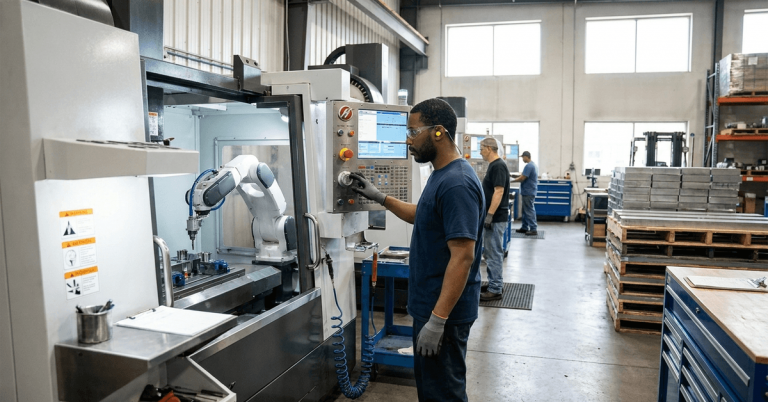
Field operations are at the center of many Halliburton jobs. These roles can include equipment operation, wellsite support, service supervision, maintenance, and technical field assistance.
They often suit people who are practical, safety-minded, and comfortable working outside a traditional office. Depending on the role, schedules may involve travel, rotating shifts, remote locations, or long days.
One thing to know: field jobs can build strong technical experience quickly. You are not just reading about equipment or processes. You are working close to the action.
That can be a huge advantage for early-career workers. But it can also be physically and mentally demanding, especially if you are balancing family responsibilities or prefer a fixed routine.
Engineering and Technical Positions
Engineering roles at Halliburton support drilling, completions, production, reservoir evaluation, equipment design, and technology development. Mechanical, petroleum, chemical, electrical, and software engineering backgrounds can all be relevant.
These positions usually require technical degrees and strong problem-solving skills. Some are based in offices, labs, or technology centers, while others connect directly with field teams.
A good engineer at Halliburton needs more than theory. You need to understand how decisions work under real operating conditions.
That makes the job interesting, but also demanding. Designs, recommendations, and technical plans often need to work in tough environments where mistakes can be costly.
IT, Data, and Digital Technology Roles
Digital transformation in energy is real, and Halliburton has a growing need for people who can work with software, automation, cloud tools, cybersecurity, data analytics, and digital operations.
I would argue that IT and data roles at Halliburton are among the most underrated career paths in the company right now.
The problems are complex, the company has global operations, and the work can connect directly to field performance. That gives technical workers a chance to solve problems that are bigger than normal office software issues.
These roles may also offer a more office-based or hybrid work setup compared with field positions, though this depends heavily on the team, location, and job function.
Health, Safety, Environmental, and Compliance Jobs
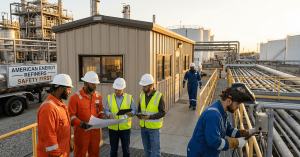
Safety is not a side topic at Halliburton. It is part of the daily operating culture, especially because many roles involve heavy equipment, remote sites, chemicals, pressure systems, and customer locations.
Health, safety, environmental, and compliance professionals help manage risk, train teams, monitor standards, and support responsible operations.
These roles suit people who care about rules, prevention, documentation, and practical safety systems. The work can involve site visits, audits, reporting, and close coordination with managers and field crews.
A common mistake is assuming safety jobs are mostly paperwork. At Halliburton, safety work has real weight because field mistakes can affect people, equipment, customers, and operations.
Supply Chain, Manufacturing, and Logistics
Halliburton also needs people who can manage materials, vendors, inventory, equipment movement, manufacturing support, and logistics.
These roles are important because energy services depend on having the right tools and materials in the right place at the right time. Delays can affect customer projects, field crews, and costs.
Supply chain jobs may suit candidates with business, logistics, operations, procurement, or industrial backgrounds. Some roles are office-based, while others connect closely with warehouses, service centers, or field locations.
Here is a comparison of the main Halliburton job categories and what each typically requires:
| Job Category | Typical Background | Work Setting | Travel or Relocation Likely? |
|---|---|---|---|
| Field Operations / Services | Technical training, field experience, mechanical skills | Field sites and service centers | Yes, often |
| Engineering / Technical | Engineering or related technical degree | Office, lab, and field support | Sometimes |
| IT / Data / Digital | Computer science, IT, data, cybersecurity | Office, hybrid, or technology teams | Less common, but possible |
| HSE / Compliance | Safety, environmental science, compliance | Field and office | Depends on region |
| Supply Chain / Logistics | Business, logistics, supply chain | Mixed | Moderate |
Field operations usually demand the most schedule flexibility, while IT, business, and some engineering roles may offer more predictable work arrangements.
The Halliburton Hiring Process Step by Step
The recruitment process at Halliburton usually starts on the company’s careers portal, where candidates can search openings by keyword, category, and location.
Applications typically require a resume, contact details, work history, education, and sometimes answers to job-specific questions. Some roles may also require certifications, licenses, or proof of eligibility to work in a certain country.
Applying and Getting Noticed
The application stage can be competitive. Halliburton job descriptions often use specific technical language, so it is important to read the posting carefully before applying.
A few things can help your application stand out:
- Match your resume language to the job posting: use the same technical terms when they honestly fit your experience
- Quantify your results: equipment handled, cost savings, safety improvements, projects completed, or team size
- Highlight safety experience: especially for field, manufacturing, logistics, and operational roles
- Mention travel or relocation flexibility clearly if the job requires it
- Check visa, license, and certification requirements before applying
For field roles, practical experience can matter as much as formal education. For engineering, IT, and corporate roles, your degree, technical skills, and project history may carry more weight.
Interviews and Assessment
The interview process can include phone screening, video interviews, technical questions, and behavioral interviews. The exact process depends on the country, role, and department.
Field and technical roles may focus on safety judgment, mechanical understanding, problem-solving, teamwork, and how you respond under pressure.
Corporate or digital roles may focus more on communication, systems thinking, technical knowledge, and how you handle complex business problems.
Some roles may include assessments, background checks, or additional screening. This is especially likely for safety-sensitive, international, or customer-facing positions.
Onboarding at Halliburton
Once hired, new employees usually go through safety training, compliance briefings, role-specific onboarding, and team introductions.
For field employees, onboarding can feel intense because safety rules are non-negotiable. There may be training around equipment, site behavior, emergency procedures, and customer expectations.
The best approach is to ask questions early. Halliburton is not the kind of workplace where guessing is a good strategy. If you do not understand a process, it is better to ask than to pretend.
Halliburton Salaries and Benefits in 2026
Compensation at Halliburton depends on role, location, experience level, and whether the job is field-based, technical, corporate, or managerial.
Field roles may include different pay structures from office jobs, especially when overtime, rotation schedules, travel, or site-based work are involved.
Engineering, IT, and experienced technical roles can be competitive because the company needs specialized skills. However, pay expectations should always be checked by location because compensation can vary widely by country and region.
What the Pay Package May Include
A standard Halliburton compensation package may include several components:
- Base salary or hourly pay depending on role and location
- Health, welfare, and retirement benefits where eligible
- Paid time off, sick leave, or local leave benefits depending on country rules
- Training and development resources
- Career development support
- Parental, financial, or wellness-related support in some regions
- Possible bonuses or incentive programs depending on role level and business conditions
The exact benefits package can differ by country, job type, and employment status. Candidates should review the benefits information for their location before accepting an offer.
The Benefit That Gets Overlooked
I think training and career development may be one of the most overlooked advantages of Halliburton jobs.
Energy services work is technical. If you build skills in safety, equipment, digital systems, engineering tools, or project execution, those skills can travel with you across the energy sector.
That matters long term. Even if someone does not stay at Halliburton forever, the technical experience can become a strong career asset.
Career Growth and Promotions at Halliburton
Halliburton can offer long-term growth, but the path depends heavily on your role. Field employees may move from assistant-level positions into operator, supervisor, coordinator, or management tracks.
Engineers may move into technical specialist, project, operations, or leadership roles. Corporate employees can grow through finance, HR, supply chain, IT, or business support paths.
The company is large enough to offer internal movement, but advancement is not automatic. Performance, business demand, location flexibility, manager support, and timing all matter.
Training Programs and Internal Mobility
Structured training is important at Halliburton because the work often involves technical tools, safety rules, and customer-facing operations.
New employees may receive role-specific training, while experienced employees may continue learning through certifications, internal programs, or advanced technical development.
People can move between teams, regions, or functions, but those moves usually depend on business needs. In a company connected to oil and gas activity, hiring and movement can also be affected by market cycles.
That is one of the honest trade-offs. Energy services can offer strong experience and good career growth, but the industry is still sensitive to oil prices, customer spending, and regional demand.
Mentorship and Team Diversity
Halliburton’s workforce is global, and that creates daily exposure to different cultures, backgrounds, and working styles.
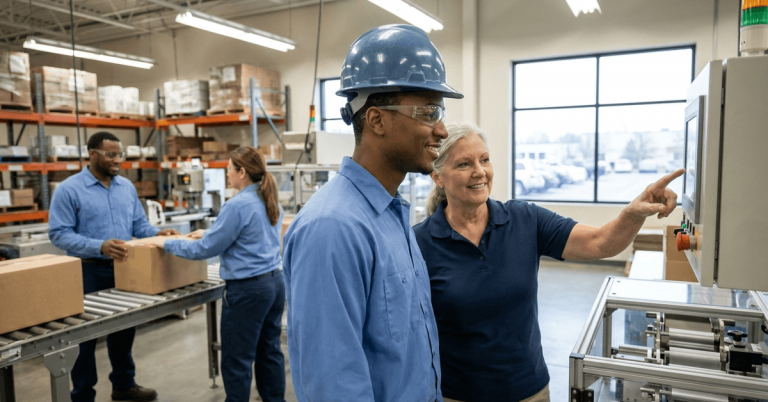
Mentorship can be valuable, especially for interns, early-career workers, field employees, and technical professionals learning complex systems.
A word of caution: mentorship quality depends heavily on your direct manager and team. The company may have programs and support, but your daily experience will still be shaped by the people closest to you.
Ask specific questions during interviews. For example, ask how new hires are trained, how performance is reviewed, and what career paths previous employees have followed from that role.
Generic answers are not enough. A strong team should be able to explain what growth actually looks like.
Preparing for a Halliburton Career Application
Before applying, study the specific job category you want. A field operator role, software engineering role, supply chain role, and HSE role will all require different strengths.
Do not apply with one generic resume for every opening. Halliburton roles can be technical, so a broad resume may get ignored quickly.
Instead, build a targeted resume for each role. Highlight the skills the posting asks for, especially safety, equipment, software, engineering tools, logistics, certifications, or customer-facing experience.
It also helps to follow energy industry news. Halliburton’s hiring needs can shift based on drilling activity, international demand, technology investments, and customer projects.
Professional groups on LinkedIn, industry job boards, and informational interviews with current or former Halliburton employees can also help you understand what specific teams are really like.
I disagree with the advice to “start at the bottom no matter what.”
If you already have five or more years of relevant experience, do not automatically apply for entry-level roles. Halliburton has experienced professional openings, and targeting the right level can protect your career momentum.
At the same time, if you are new to the industry, an entry-level field, internship, associate, or technical trainee path can be a practical way in.
The best path depends on your background, not on a one-size-fits-all career rule.
Questions People Ask About Halliburton Jobs
Q: Does Halliburton hire remote workers in 2026?
Some corporate, IT, business, and digital roles may offer remote or hybrid arrangements depending on the team and location. Field and operational roles usually require onsite work.
Q: How long does the Halliburton hiring process take?
The process can take a few weeks or longer depending on the role, location, screening requirements, and business urgency. Technical, international, and safety-sensitive roles may take more time.
Q: Are Halliburton internships paid?
Many internships in large energy companies are paid, but details depend on country, location, and program type. Candidates should check the specific internship posting before applying.
Q: Can I transfer between Halliburton locations or departments?
Internal movement may be possible, especially in a global company with many job functions. However, transfers depend on performance, openings, business needs, and manager approval.
Q: What degrees does Halliburton look for?
Common degrees include engineering, computer science, information technology, business, supply chain, environmental science, and safety-related fields. Some field roles may value technical training, certifications, or hands-on experience more than a traditional degree.
Conclusion
Halliburton jobs in 2026 sit at the intersection of traditional energy services, field operations, digital tools, and lower-carbon pressure. The company can offer strong technical experience, global exposure, and practical career growth.
But the trade-offs are real. Some roles require travel, long hours, strict safety rules, and comfort with an industry that moves with market cycles.
Candidates who research the specific role, team, and location will have a clear advantage over generic applicants. Halliburton can be a strong career move, but only if you understand the work behind the job title before you apply.