Scrolling through oil industry job boards at 2 AM, running salary calculators, wondering if your engineering degree could be worth €70,000 instead of €35,000. That restless math is what brought you here.
High-paying oil industry jobs in Spain still exist in 2026, but the landscape around them has shifted. Renewables get the headlines. Oil sector hiring keeps happening quietly behind them.



The catch? Salary figures in Spain’s oil industry look different depending on which role, which company, and which coast. A drilling engineer in Tarragona and an offshore technician near the Canary Islands live in different financial realities.
So let’s break down what these jobs pay, who gets them, and what nobody bothers explaining about oil careers in a country that is simultaneously trying to phase them out.
What Makes Oil Sector Salaries Higher Than Average in Spain
The short answer is specialization. Companies like Repsol and Cepsa pay premiums for workers who carry niche technical knowledge that takes years to build.
A petroleum engineer with 10 years of drilling experience can’t be replaced by someone fresh out of university, and the salary reflects that gap.
But there’s a longer answer worth paying attention to.
Risk and Isolation Drive Pay, Not Just Skill
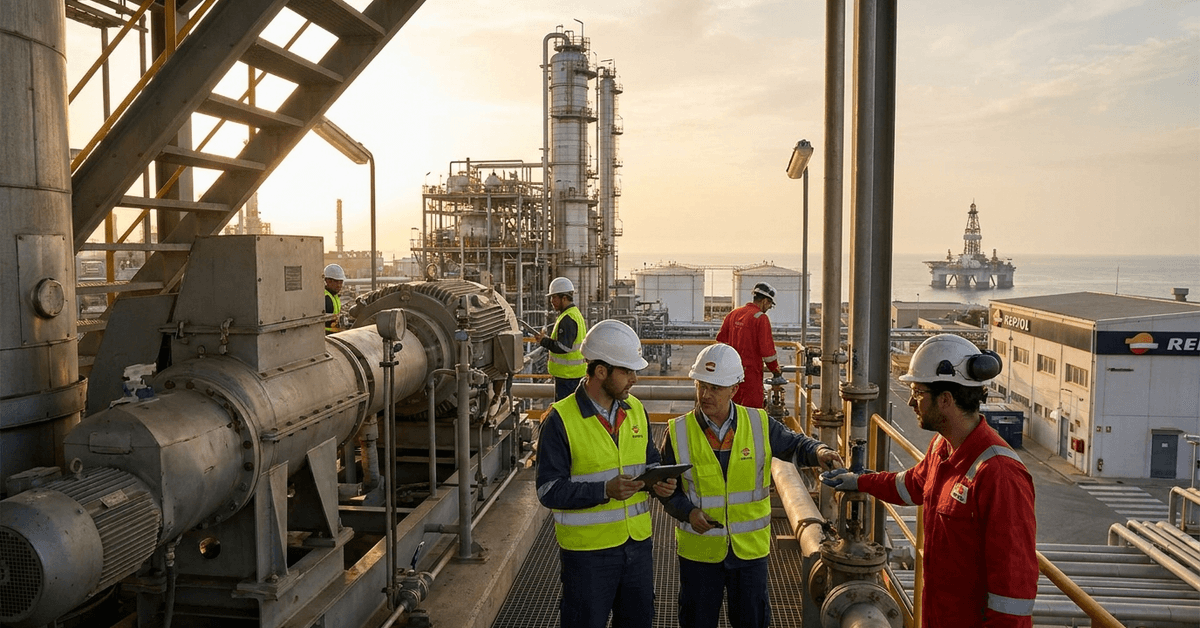
Offshore positions on rigs or floating production units pay more because the work environment is physically taxing and isolating.
Spending 14 to 28 days at sea, away from family, sleeping in shared quarters. That premium isn’t a reward for skill alone. It’s hazard compensation.
The same logic applies to refinery roles where chemical exposure, extreme heat, or high-pressure systems are part of daily operations.
Health and safety supervisors earn well because the cost of getting safety wrong is measured in lives, lawsuits, and regulatory shutdowns.
Spain’s Oil Salaries Compared to Global Benchmarks
One thing I would flag immediately about oil industry jobs in Spain: the salaries are strong by Spanish standards, but modest when stacked against the Gulf or North Sea.
An experienced drilling engineer earning €70,000 per year in Spain would be making well over $120,000 in a similar role in Qatar or Norway.
Does that matter if you plan to live in Spain? Maybe not. The cost of living in Cartagena or Huelva is a fraction of Stavanger. But if you’re chasing the absolute ceiling for oil money, Spain isn’t where you’ll find it.
| Role | Estimated Annual Salary (Spain) | Experience Level |
|---|---|---|
| Petroleum Engineer | €60,000 to €70,000+ | Senior (8+ years) |
| Offshore Installation Technician | €45,000 to €65,000 | Mid to Senior |
| Drilling Supervisor / Rig Manager | €55,000 to €75,000 | Senior |
| Health and Safety Supervisor | €40,000 to €55,000 | Mid-level |
| Entry-Level Operations Worker | €25,000 to €35,000 | Junior |
The takeaway: senior technical and supervisory roles break above €55,000, but entry-level positions start at wages comparable to many other industries in Spain.
Oil Industry Roles That Pay the Best in Spain
Not every oil job pays well. The sector covers everything from truck drivers hauling fuel to geoscientists running seismic models. Pay varies wildly, and lumping them together is misleading.
The roles below are the ones that consistently sit at the higher end of the salary range within Spain’s oil sector.
Petroleum Engineers and Drilling Supervisors
Petroleum engineers develop extraction methods, design drilling plans, and manage well operations. They are the highest-paid technical professionals in the sector, and demand for them stays steady even as Spain pushes renewables.
Drilling supervisors and rig managers run on-site operations. They handle compliance, workflow coordination, and crew safety.
These positions require years of field experience, and companies rarely hire externally for them. Internal promotions dominate.
Geologists and Geoscientists
Geologists analyze subsurface formations to determine where drilling makes financial sense. Their work directly determines whether a company spends millions exploring a location or walks away.
That decision-making authority translates into strong bargaining power during salary negotiations.
The catch is that geology roles in Spain’s oil sector are fewer in number than engineering roles. Competition for them can be fierce, especially at Repsol’s Madrid headquarters.
Offshore Technicians and Installation Crews
These are the workers who maintain, repair, and monitor rigs and offshore platforms. The pay bump for offshore work reflects the difficult living conditions and rotating shift schedules.
I would push back on the common advice that says offshore roles are the best path to high pay in Spain’s oil industry. The offshore premium here tops out around €65,000 for experienced technicians.
Compare that to an onshore refinery engineering role at Cepsa, which can reach similar take-home pay once you account for the relocation packages, private insurance, and retirement contributions that onshore positions often include.
The lifestyle stability of staying on land has a financial value that gets ignored in most salary comparisons.
How to Qualify for High Paying Oil Jobs in Spain
Getting into the higher salary brackets requires a combination of formal credentials and real-world hours. The split between those two matters more than people realize.
Degrees and Certifications That Move the Needle
Engineering and science degrees remain the fastest path into technical oil roles. But specific certifications can add salary weight on top of a degree:
- BOSIET (Basic Offshore Safety Induction and Emergency Training): required for almost all offshore assignments, and the certification must stay current
- NEBOSH (National Examination Board in Occupational Safety and Health): a strong addition for safety-focused roles, recognized across European oil operations
- PMP (Project Management Professional): useful for project management positions, especially at multinational companies operating in Spain
- Language proficiency in English and Spanish: multinational operators like Schlumberger and BP Spain conduct internal communications in English, so bilingual candidates have an edge
The Experience vs. Education Tradeoff
A common mistake is assuming a master’s degree automatically opens doors. The oil sector cares about hours logged. Apprenticeships, technician roles, and junior field positions build the on-site credibility that hiring managers look for.
Some companies run internal training programs that bring support staff up to technical roles over time. Repsol has done this historically, though competition for those internal tracks is stiff.
Starting as a logistics coordinator or operations assistant and building upward is a realistic path, especially for candidates without a traditional petroleum engineering background.
Where to Search for Oil Industry Jobs in Spain
Job hunting in this sector follows specific channels. General-purpose platforms like LinkedIn and Indeed carry oil postings, but they tend to be broad listings. For targeted results, sector-specific platforms deliver better matches.
OilandGasJobSearch is one of the more focused platforms for high-value oil vacancies across Europe, including Spain. Repsol’s career portal posts openings directly, and applying there skips the recruiter middlemen that eat up time.
The big employers to watch in Spain include:
- Repsol SA: the largest Spanish oil company, headquartered in Madrid with refinery operations in Cartagena, Puertollano, A Coruña, Bilbao, and Tarragona
- Cepsa: strong presence in Andalusia and the Canary Islands
- BP Spain: smaller footprint but active in distribution and downstream operations
- Schlumberger: oilfield services giant with rotating project-based roles
How the Hiring Process Works
Digital applications dominate. Expect a process that runs through several stages: online CV submission, phone or video screening, technical interviews, behavioral interviews, and then medical and safety assessments before a final offer.
Some positions, especially offshore or high-security roles, involve background checks and physical fitness evaluations.
The timeline can stretch from a few weeks to several months. Keeping multiple applications active at once is smart, because a single opening can stall without warning.
Legal and Contract Details to Check
Oil employment in Spain falls under European and Spanish labor law, which governs working hours, safety standards, insurance, and contract terms. Offshore and hazardous-environment roles carry additional regulatory requirements.
A few things worth verifying before signing any contract:
- Working time regulations: offshore rotation schedules must comply with EU directives on maximum working hours
- PPE and safety standards: the employer should provide all personal protective equipment, not charge workers for it
- Insurance coverage: medical examinations and workplace injury insurance should be clearly outlined
- Union representation: oil sector workers in Spain have the right to union membership, which can affect contract negotiations
Smaller contractors sometimes cut corners on compliance. Checking a company’s licensing and safety record through Spain’s labor inspection database saves headaches later.
Questions People Ask About High-Paying Oil Industry Jobs in Spain
Q: Can I get an oil industry job in Spain without a degree? Yes. Technical and vocational certifications combined with field experience can qualify candidates for operations, maintenance, and technician roles. The highest-paying engineering positions, however, almost always require at least a bachelor’s degree in a relevant field.
Q: Are oil jobs in Spain worth it compared to Gulf countries? The salaries are lower in absolute terms. A drilling engineer in Spain earns around €70,000, while the same role in the UAE or Saudi Arabia can pay over $120,000. But Spain’s lower cost of living and EU labor protections offer trade-offs that salary alone doesn’t capture.
Q: How long does it take to get hired for an offshore oil job in Spain? The process varies. Some urgent project-based hires happen within weeks. Competitive positions at major companies like Repsol or Cepsa can take three to six months from application to final offer, including medical clearances.
Q: Is the oil industry in Spain growing or shrinking? Shrinking in terms of new exploration, but steady in refining and distribution. Spain still operates multiple refineries and fuel distribution networks. Qualified maintenance and engineering professionals remain in demand for existing infrastructure, even as the country invests heavily in renewables.
Q: Do I need to speak Spanish to work in Spain’s oil sector? For most roles, yes. Multinational companies may conduct some business in English, but day-to-day site communications, safety briefings, and regulatory paperwork happen in Spanish. Bilingual candidates have a clear hiring advantage.
Conclusion
Spain’s oil sector still pays well for specialized roles, though the ceiling sits below global oil hubs. The best-paying positions reward years of field experience, technical certifications, and a willingness to work demanding schedules.
Anyone considering this path should compare total compensation packages, not just base salaries, before committing. Oil careers in Spain may suit professionals who want strong European labor protections alongside competitive technical wages.