Offshore oil jobs have long held a distinct position among energy sector careers, attracting thousands who seek unique work environments and the possibility of significant financial rewards.
For professionals, skilled trades, and entry-level workers alike, offshore platforms and rigs offer positions that span a surprisingly wide range of disciplines, not just drilling or engineering.
This piece aims to help job-seekers, career explorers, and those curious about maritime industries better understand what working offshore entails, what positions are commonly available, and what individuals should consider as they weigh their options.
The Appeal and Demands of Offshore Oil Jobs
The offshore oil sector is known for its generous compensation but also for its challenging conditions.
Whether you’re interested for the adventure, the salary, or the opportunity to learn specialized skills, it’s helpful to recognize what sets offshore oil jobs apart from onshore careers.
Competitive Salaries and Perks
Many are drawn to offshore work because compensation packages tend to be higher than comparable land-based roles.
The standard rotation (such as two weeks on, two weeks off) means intense periods of work paired with extended downtime, something some find ideal. In addition to salary, benefits often include travel, meals, and housing.
Unique Work Environment
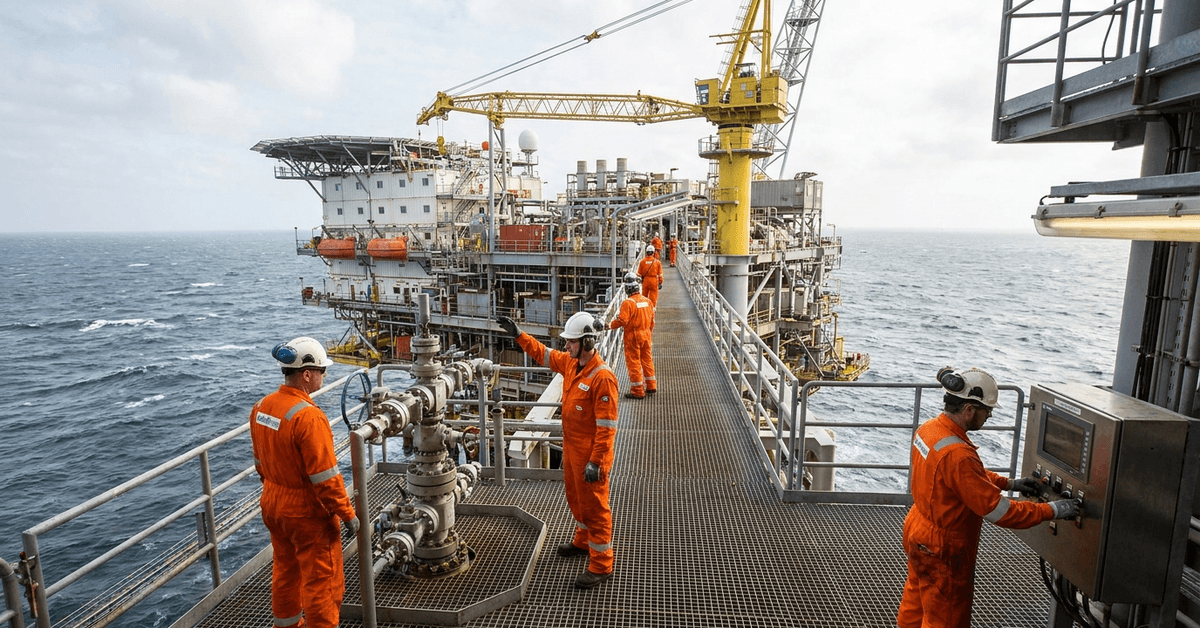
Jobs located on offshore rigs or production platforms exist in isolated, sometimes extreme environments—often far from mainland support.
Some thrive in close-knit, multicultural teams and gain a sense of camaraderie that is rare elsewhere. Of course, it’s not for everyone, especially those uncomfortable with extended periods away from home.
High Demand for Various Skill Sets
Despite the cyclical nature of oil prices, demand for oil remains strong globally. Accordingly, the industry regularly seeks new crew members to support ongoing operations, upgrades, and maintenance across continents.
Many roles do not require advanced technical degrees, which can lower the barrier to entry for motivated individuals.
Types of Offshore Oil Jobs and Roles Available
The stereotype of the roughneck or the drill operator is outdated. Rigs employ far more than just technical crew; they need everything from medics to catering staff and safety officers. Below are several main job categories:
Engineering and Technical Positions
- Drilling Engineers: Oversee well operations and drilling plans to maximize efficiency.
- Petroleum Engineers: Work with geologists and ensure optimal extraction techniques.
- Maintenance Engineers: Keep machinery and safety systems functioning reliably.
Skilled Trades
- Electricians and Mechanics: Maintain electrical and mechanical systems essential for operations.
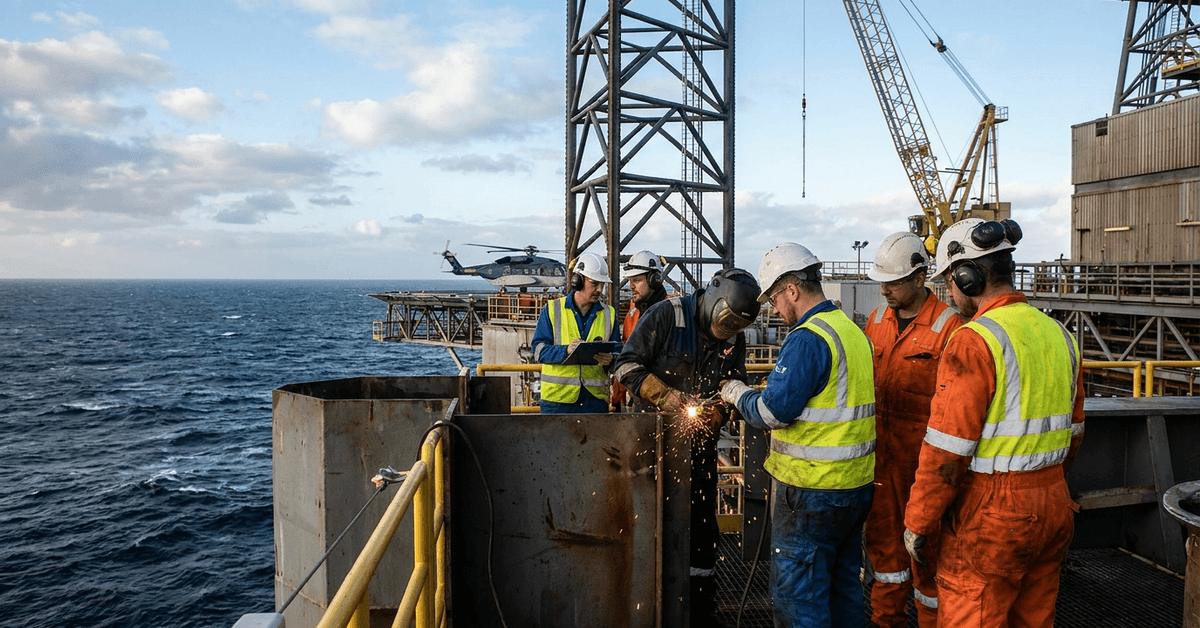
- Welders and Fitters: Responsible for repairs and new construction on rig structures.
Health, Safety, and Environmental (HSE) Roles
- Safety Officers: Monitor protocol adherence and conduct safety drills.
- Environmental Specialists: Ensure compliance with environmental regulations and manage waste disposal.
Supporting Services
- Chefs and Galley Staff: Prepare daily meals for the crew.
- Medics and Occupational Health Staff: Provide essential health and emergency care onsite.
- Stewards and Housekeeping: Maintain accommodation cleanliness and comfort.
Qualifications and Training Required
There isn’t a single path into offshore oil jobs. Some roles require only high school diplomas and the willingness to train, while others demand advanced degrees or substantial prior experience.
However, most positions require specialized safety training and certifications, and this cannot be glossed over or skipped.
General Entry Requirements
Most candidates must pass medical exams and demonstrate physical fitness. The capacity to work long shifts, sometimes in adverse weather, is crucial. A positive, collaborative attitude is highly valued due to the confined nature of rig life.
Certifications and Training
- Basic Offshore Safety Induction and Emergency Training (BOSIET) certification is typically mandatory before deployment to most offshore sites.
- Specialized certificates might be required for engineers, medics, or HSE officers, like NEBOSH, STCW, or IMCA credentials.
Day-to-Day Life on an Offshore Platform
Offshore jobs are structured in shifts, often twelve hours at a time, and can be physically and mentally demanding. The reality is, living conditions have improved a lot over the past two decades but still require a degree of adaptability.
Living Arrangements
Most platforms have communal sleeping quarters, cafeterias, recreational rooms, and gym facilities. Privacy is limited, but amenities continue to improve as companies invest in employee well-being. Some platforms even have internet connectivity and satellite TV.
Work Routines and Downtime
Work time is tightly scheduled to ensure efficiency and safety. Downtime is just as important for maintaining morale.
Activities during off-hours may include exercise, reading, movies, or socializing. It’s not unusual for people to report making lifelong friends in these environments—though it’s reasonable to expect some tension or cabin fever now and then.
Compensation and Career Progression
Wages in this sector range widely depending on role, experience, and location. Entry-level roustabouts might earn solid starter wages, while qualified engineers and specialized staff see substantially higher pay brackets.
There’s also a fair sense of meritocracy—dedicated workers are often promoted quickly due to the pressing operational demands offshore companies face.
- Entry-level positions: Typically $45,000–$65,000 per year.
- Experienced specialists or supervisors: Often $80,000 or much higher, sometimes exceeding six figures for in-demand professionals.
Bonuses, hazard pay, and comprehensive benefits are also common, which can noticeably improve overall compensation.
Some may say the numbers are a trade-off for time away from family, but for those prioritizing income or career advancement, this can seem well worth it.
Challenges and Considerations Before Applying
While the industry offers unique rewards, there are realistic challenges to address—physical isolation, safety risks, and the cyclical nature of oil markets. It’s not just about high pay.
Risk tolerance varies from person to person. Some might be concerned about environmental impact, while others hesitate at the thought of missing holidays or family events. The reality is complex, and motivations differ.
Safety Measures
Modern offshore facilities prioritize safety rigorously. Frequent drills and compliance policies are mandatory. But, even today, risks exist—weather events, machinery issues, or even simple accidents can escalate quickly if safety guidelines are not followed.
For some, the risk is part of the appeal. For others, not so much. It’s probably best to be honest about one’s tolerance for uncertainty before applying.
Market Volatility
Oil price fluctuation can impact job stability and hiring trends. When prices are high, offshore jobs may be plentiful; when prices fall, the market contracts.
Diversifying your skill set and seeking employers with long-term viability can help buffer against market swings. Of course, there’s no perfect safeguard.
Where to Find Offshore Oil Job Listings
Reputable employers advertise directly through their own career portals. Global companies such as Shell, BP, and Equinor regularly update opportunities for engineers, safety officers, and catering staff.
Aggregator sites like Indeed and Rigzone often host job boards with current vacancies, though it’s smart to cross-reference each listing for authenticity.
Working with Recruiters
Specialist recruitment agencies exist for offshore work, but caution is warranted. While many are credible, some may exaggerate prospects or request fees upfront. It’s worth scanning professional review forums for agency reputations before proceeding.
Tips for Standing Out as a Candidate
The offshore oil sector can be competitive, even during hiring surges. Assembling a clear, well-organized resume with an emphasis on practical skills, relevant certifications, and tangible teamwork or safety achievements helps.
References from prior offshore or demanding work environments make an impression.
Honestly, even a bit of humility about areas for growth can be beneficial—rig managers often prefer those who are keen to learn and prepared to follow protocol, over ‘know-it-all’ types.
Conclusion
Offshore oil jobs can offer strong earning potential for workers ready to handle demanding schedules, safety rules, and specialized tasks.
By exploring different roles, training paths, and employer requirements, applicants can find opportunities that support higher income, valuable field experience, and long-term career growth.