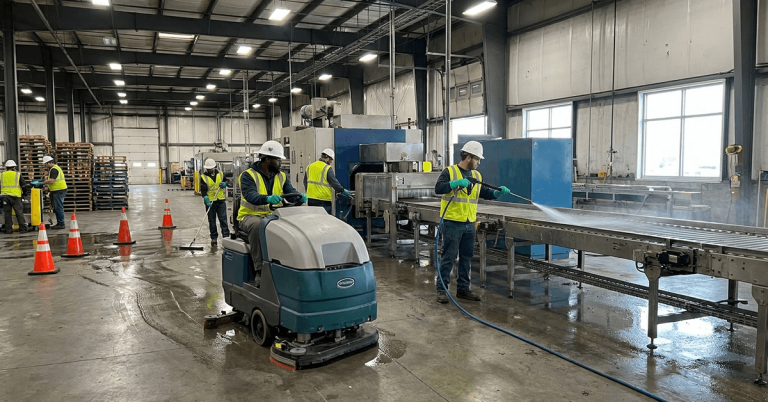
That feeling of being stuck without a degree or savings hits harder when rent comes due. Jobs with paid training exist for people caught in exactly this spot.
A paid training job lets you earn from day one while picking up skills an employer already wants. No tuition and no years-long wait before a first real paycheck.



Every article on paid training jobs reads like a job board ad. Bulleted lists, zero skepticism, and no honest conversation about trade-offs.
Some paid training programs are worth dropping everything for. Others lock trainees in with contracts and below-market wages.
Which Industries Offer Paid Training Jobs in 2026
The range of industries running paid training is wider than people assume. Healthcare, skilled trades, transportation, public safety, and customer service all run structured programs for new hires.
But the quality of those programs varies wildly by sector, and that variation is the part worth paying attention to.
Healthcare Paid Training Roles
Hospitals and senior care facilities across the U.S. hire trainees for roles like Certified Nursing Assistant (CNA), pharmacy technician, and medical assistant.
These positions come with structured certification paths, and the training often leads directly to licensure.

Healthcare is one of the few sectors where paid training consistently leads to wage increases after the program ends. A CNA certification, for example, can be completed in 4-12 weeks and opens the door to LPN or RN education later.
Skilled Trades and Apprenticeships
Apprenticeships in electrical work and HVAC pay trainees while teaching them. These programs can last months or years, blending classroom instruction with hands-on work. The payoff is a clear career ladder: apprentice to journeyman to master.
Few other industries offer that kind of linear progression with paid training built in. Plumbing and carpentry follow the same model, with apprentices earning a wage the entire time.
Transportation, Logistics, and Public Safety
CDL (Commercial Driver’s License) training programs, package delivery driver roles, and warehouse associate positions all pay during training.
Demand for drivers and warehouse workers has grown steadily, making these programs easier to enter in 2026 than they were five years ago.
Public safety careers like firefighter, police cadet, and EMT trainee positions include paid academy instruction. These paths are physically demanding and competitive, but they pay during training and lead to careers with strong benefits packages.
Paid Training Jobs Worth the Application
Not all paid training jobs offer the same returns. Some lead to real career growth and rising pay. Others plateau fast. A side-by-side comparison helps sort the standouts from the filler roles.
| Job Title | Typical Training Length | Post-Training Career Path |
|---|---|---|
| Apprentice Electrician | 4-5 years | Journeyman electrician, contractor |
| CNA | 4-12 weeks | LPN, RN (with further education) |
| CDL Truck Driver | 3-7 weeks | Owner-operator, fleet manager |
| Police Academy Cadet | 12-36 weeks | Patrol officer, detective |
| IT Support Technician | 8-16 weeks | Systems admin, network engineer |
| Amazon Warehouse Associate | 1-2 weeks | Operations supervisor, area manager |
The apprentice electrician path takes the longest but offers the most predictable income growth over a career.
Companies like Amazon, Walmart, AT&T, and Enterprise run paid training programs at scale. Government agencies at the federal, state, and local level also post openings regularly through USAJOBS.
Why I Would Skip Retail and Call Center “Paid Training”
This is the contrarian take nobody wants to publish.
I would skip retail and call center paid training programs entirely because trainee wages in these roles match minimum wage, and the training itself covers phone scripts and register protocols that rarely transfer to a different employer.
The raw numbers tell the story. Bank teller, call center rep, and retail management trainee roles cap out quickly.
A call center “trains” you for two weeks, then you’re doing the same task on repeat with little room to move up unless you stay at that same company for years.
Compare that timeline to a 4-week CNA program that hands you a credential recognized at every hospital in the country. If a paid training job teaches you a skill that only works inside one company, that training mostly benefits the employer.

Onboarding vs. Real Apprenticeships: the Difference That Matters
A major gap in the paid training conversation is the failure to distinguish between onboarding and apprenticeship. The two are different animals, and lumping them together misleads people about what they’re getting into.
What a Full Apprenticeship Looks Like
A real apprenticeship blends classroom learning with on-the-job experience over months or years.
Trainees work under mentors or supervisors who give daily feedback, conduct evaluations, and track progress. The electrician and HVAC apprenticeships run this way. After completion, the trainee holds a credential other employers recognize.
A two-week orientation at a warehouse or retail store does not compare. Both get labeled “paid training” on job boards, but the long-term outcome could not be more different.
Pay and Benefits During Training
Trainee wages typically start at entry-level or minimum wage. But in higher-skill sectors like electrical work and healthcare, pay rises once credentials are earned.
Some employers offer health insurance, tuition assistance, or completion bonuses. These perks are not universal, so asking about them during the interview process matters.
Clawback Clauses and Fine Print on Paid Training Jobs
Getting into a paid training program is usually not as difficult as it sounds. But a few details in the contracts deserve close attention before signing.
Common Eligibility Requirements
The baseline requirements for paid training jobs tend to be accessible:
- Age 18 or older (some programs accept 16-17 with restrictions)
- High school diploma or GED, though not always required
- Background check clearance, particularly for public safety careers
- Physical fitness standards for trades and emergency services
Soft skills like punctuality and willingness to learn carry real weight during interviews. Competition for popular programs can be stiff, so showing up prepared separates serious applicants.
Training Repayment Agreement Provisions (TRAPs)
Almost nobody writes about this. Some employers require trainees to sign a Training Repayment Agreement Provision, commonly called a TRAP.
These clauses state that leaving the company before a set period, often 1-2 years, triggers a bill for the cost of training. The amounts can run into thousands of dollars.
I would read every word of a training contract before signing because TRAP clauses in CDL trucking programs alone have generated lawsuits across multiple states.
A program that pays you during training but charges $5,000 for leaving early changes the math entirely.
The U.S. Department of Labor has resources on worker protections during paid training. State labor department websites also cover TRAP regulations, which vary state by state.
Tax Treatment of Training Wages
Training wages are taxed the same as any other income. Federal income tax, Social Security, and Medicare withholdings all apply. No special tax breaks exist for being a trainee.
Budget based on take-home pay, not the gross number an employer quotes during hiring.
Career Paths After Finishing a Paid Training Program
Completing a paid training program opens different paths depending on the industry. A licensed apprentice can step up to a journeyman role.
A CNA can pursue further education toward becoming an LPN or RN. A call center rep might move into team leadership or quality assurance.
When “Transferable Skills” Applies and When It Doesn’t
Problem-solving ability and technical skills picked up during training can carry over to other industries.
But I would be realistic about how far “transferable skills” go, because a six-week warehouse training program mostly teaches speed and process. Calling that transferable to logistics management stretches the definition.
The most portable skills come from the longest programs. Electricians and healthcare workers earn credentials that hold weight across employers and state lines. Quick-turnaround retail training produces skills that mostly apply within that same company.
Job seekers getting started should use these search terms on boards like Indeed and Glassdoor:
- “paid training” or “training provided”
- “apprenticeship” or “trainee program”
- “entry-level with training”
- Company career pages and local workforce development centers
Questions People Ask About Jobs With Paid Training
Q: Do paid training jobs require a college degree?
A high school diploma or GED is the standard. Some warehouse and trade positions skip even that. IT support roles may ask for a certification like CompTIA A+, but a four-year degree is rarely on the list.
Q: Can I get fired during a paid training program?
Paid trainees are employees, and employment in the U.S. is at-will in most states. Poor attendance, failed evaluations, or missing performance benchmarks can end a training position early.
Q: Are paid training jobs available for people over 40?
Age restrictions typically set 18 as a minimum, not a maximum. Career changers in their 40s and 50s commonly enter trade apprenticeships and healthcare training. The exception: some public safety academies set upper age limits around 35-37.
Q: Is paid training the same as an internship?
Paid training programs hire you as an employee with wages and standard protections. Internships, even paid ones, tend to be shorter and may not lead to a permanent position. The legal distinction matters: anyone performing productive work for a for-profit company must be paid at least minimum wage under federal law.
Q: How long do paid training programs last?
Duration ranges from one week for warehouse onboarding to five years for a full electrical apprenticeship. The longer the program, the more likely it ends with a credential that other employers will recognize.
Conclusion
Jobs with paid training can be a strong entry point for people willing to learn on the clock. The programs worth targeting are those with clear career ladders and recognized credentials at the end.
Reading every line of a training contract protects you from clawback clauses that quietly erase the benefit. Start searching today, ask hard questions at every interview, and pick the program that teaches skills beyond one company.