Sitting at a computer, refreshing job boards, waiting for an email that never comes. That feeling is familiar if you’ve been hunting for work without a four-year degree on your resume.
Food production jobs in the US keep hiring when other industries freeze. People eat every single day, and that demand doesn’t pause for recessions or tech layoffs.


But the information out there about food production jobs reads like it was written by someone who has never set foot on a plant floor. Generic advice, vague salary ranges, zero honesty about the grind.
I think food production jobs in the US deserve a sharper breakdown, especially the $14 to $25/hour pay spread between entry-level packaging and supervisory roles that nobody bothers to explain properly.
Where Food Production Jobs are Concentrated in 2026
Geography matters more than people realize when it comes to food production work. Plants sit near farms, transportation hubs, and distribution centers. So opportunities cluster in specific regions rather than spreading evenly across every zip code.
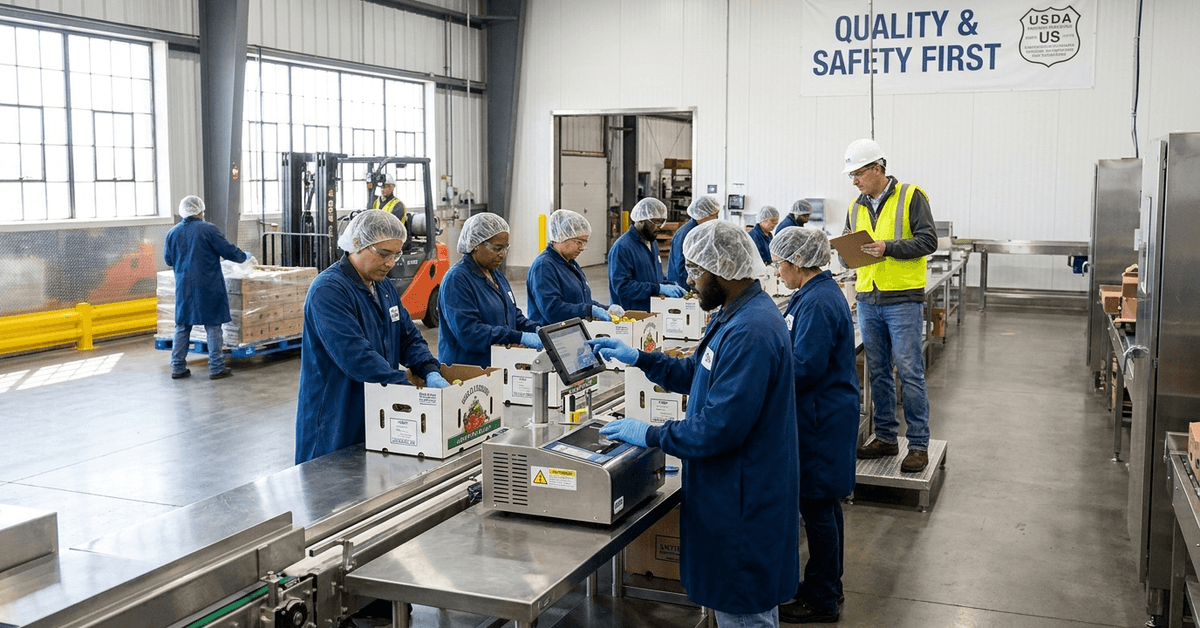
The states hiring the hardest right now tend to overlap with agricultural powerhouses and processing infrastructure:
- California: Fresh produce and dairy processing dominate, especially in the Central Valley
- Texas: Meat processing plants and specialty food manufacturers run year-round
- Iowa: Grain, pork, and value-added processing facilities are concentrated in rural areas
- Illinois: Packaged foods, cereals, and large-scale bakeries operate near Chicago-area transport hubs
- Georgia: The state leads in poultry processing and has one of the highest concentrations of plant jobs in the Southeast
One thing worth paying attention to: a food production job in rural Iowa pays differently than the same title in suburban Illinois. Cost of living adjusts the real value of that hourly wage far more than the number on your paycheck suggests.
Union vs. Non-Union Plants and What That Means for Pay
A detail that gets glossed over constantly is the union question. Union facilities tend to offer more consistent benefits and standardized pay, but they also come with seniority rules that can slow your upward movement.
Non-union plants sometimes pay more starting out to attract workers, but benefits can be thinner and less predictable.
I would pick a union plant over a non-union one if the starting pay difference is less than $2/hour, because the long-term benefit package at union shops (health coverage, retirement contributions, paid time off) tends to close that gap within the first year.
Types of Food Production Jobs and What They Pay
The range of roles inside a single food production facility is wider than people expect. Entry-level and specialized positions exist under the same roof. That means lateral moves and promotions can happen without switching employers.
| Role | Typical Hourly Pay | Degree Required? | Common Entry Path |
|---|---|---|---|
| Packaging / Assembly Line | $14 – $18/hour | No | Direct hire, walk-in |
| Machine Operator | $16 – $24/hour | No, but training needed | Internal promotion or trade cert |
| Quality Control Technician | $17+/hour | Sometimes preferred | Food science coursework helps |
| Shift Supervisor | $25+/hour | Rarely | Internal promotion after 1-2 years |
The gap between packaging work and supervisory pay can exceed $10/hour, which makes the internal promotion path one of the most financially meaningful jumps available without a college credential.
Processing and Assembly Line Work
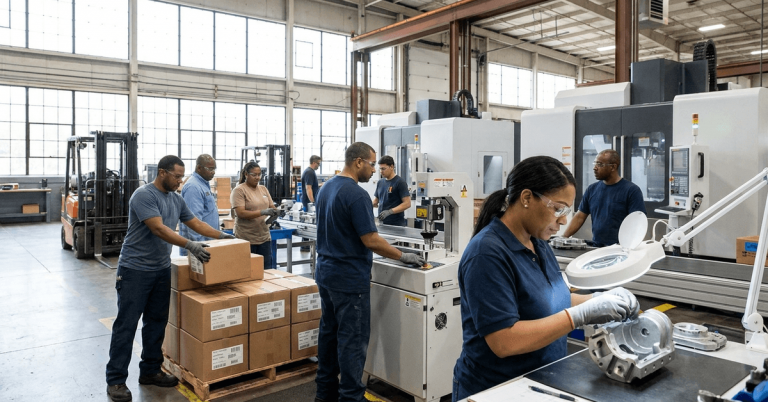
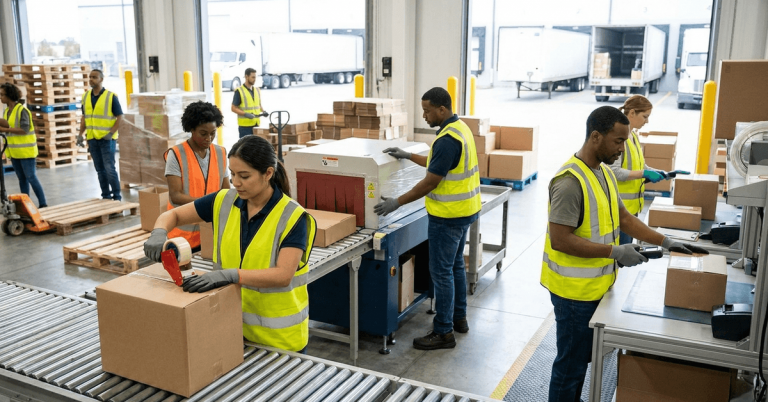
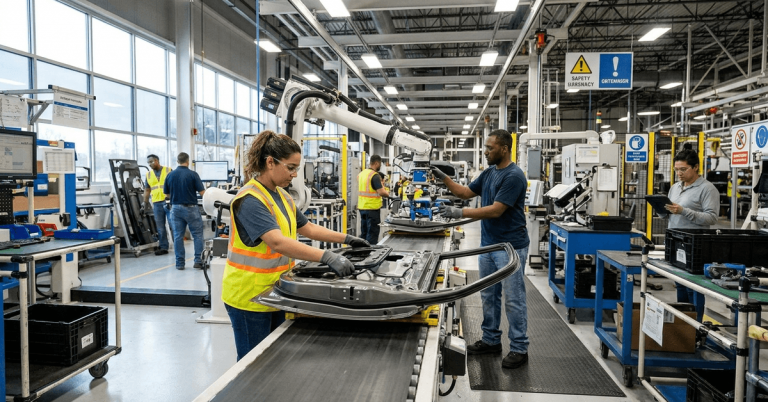
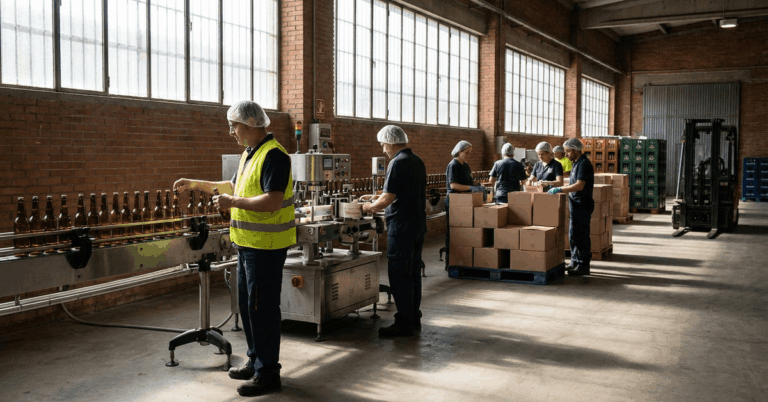
Sorting, preparing, and packaging food items. The work is repetitive and physical. But these positions are frequently open to people with zero prior experience, and they fill fast. Speed and consistency matter more than any certification here.
Standing for 8 to 10 hours is the norm. Cold storage environments can push temperatures below 40°F. If that sounds brutal, it is. But the trade-off is a paycheck that starts within days of getting hired, not weeks of onboarding.
Machine Operation and Maintenance Roles
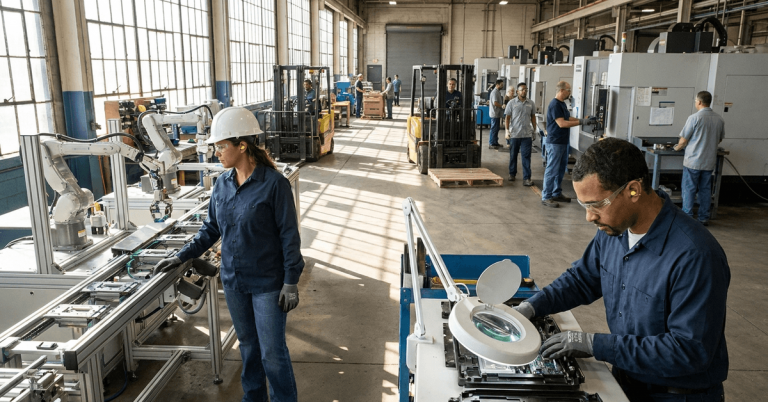
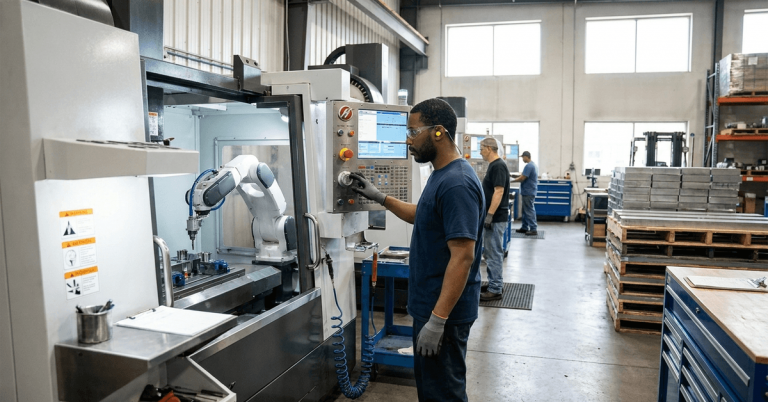
Modern food plants run on machines. Someone has to operate, clean, and fix them.
Machine operators earn between $16 and $24/hour depending on location and experience, and on-the-job training is common for candidates who show mechanical aptitude.
This is where the career ceiling gets interesting.
A machine maintenance specialist with a few years of experience and a forklift certification can push past $25/hour in many facilities. Compared to assembly line pay, that jump happens faster than people assume.
Quality Control and Food Safety Inspection
Quality control technicians monitor for contamination, check labeling accuracy, and enforce sanitation standards. Strong attention to detail matters more here than physical endurance.
Some positions prefer candidates with food science coursework or HACCP certification, but on-the-job training exists at many plants.
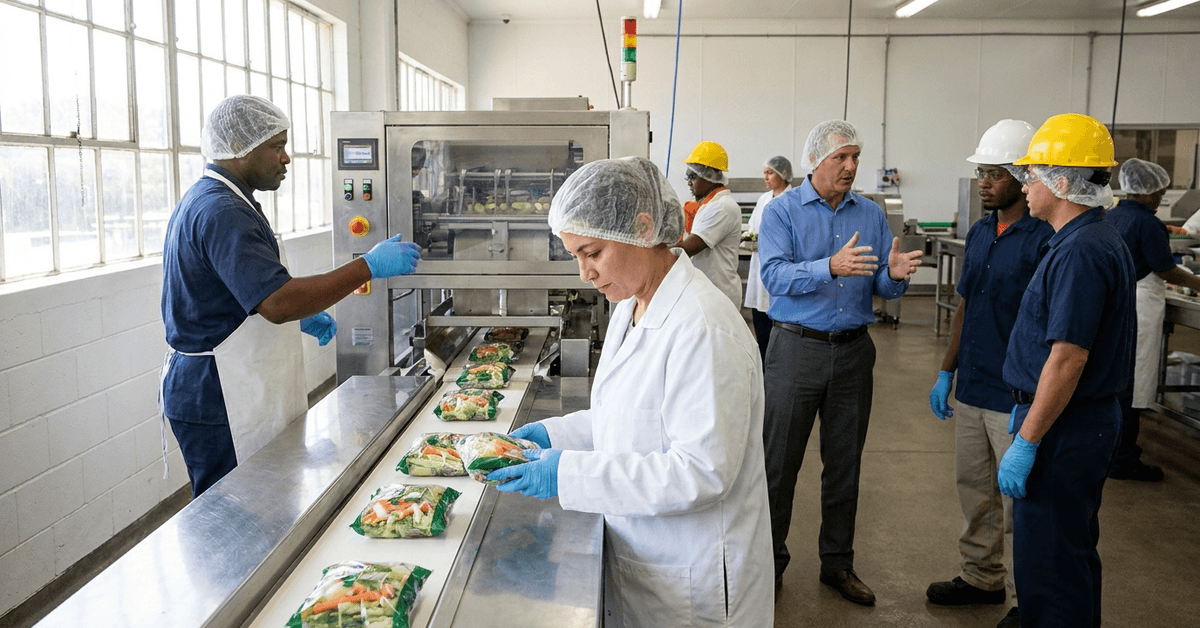
The USDA and FDA inspect production sites regularly, and the standards for sanitation, labeling, and worker hygiene are strict. Workers in QC roles are the internal line of defense, which means the job carries real responsibility.
The Best Way to Get Hired (Hint: It’s Probably Not Indeed)
Online job boards like Indeed, Glassdoor, and LinkedIn list food production positions across the country. Specialized sites like CareersInFood focus on the food industry specifically. These are fine starting points.
But I think the common advice to “just apply online” is backward for food production specifically.
Walk-ins and employee referrals still fill a surprising number of positions at processing plants, especially in smaller towns and rural areas with a strong agricultural base.
Applying online puts your resume into a system. Walking into the plant’s HR office puts your face in front of a hiring manager who might need someone for next Monday’s shift.
Local Workforce Centers and Job Fairs
Many communities run career centers or host job fairs with direct connections to local producers. These are especially common in rural and agricultural regions. The benefit over online applications: referrals, resume help, and sometimes same-day interviews.
Walking In Still Works
Some processing plants and bakeries post available jobs right on their front doors. Current employees often refer friends and family.
This approach feels old-fashioned, but in 2026, it remains one of the fastest paths from “looking for work” to “clocking in.” Smaller operations in particular prefer face-to-face contact over digital applications.
Skills That Matter on the Plant Floor
The skills that get you hired and the skills that get you promoted are two different lists. Getting hired requires a realistic set of basics. Getting promoted takes deliberate effort to add certifications and cross-train.
The baseline abilities that food production employers look for include:
- Attention to detail: Handling consumable products means strict adherence to safety guidelines, and mistakes can shut down a production line
- Teamwork and communication: Production environments rely on group coordination, and miscommunication causes safety hazards
- Physical stamina: Standing for full shifts, working in cold or loud environments, and handling repetitive motions are daily realities
- Willingness to learn new processes: Technology in food production changes regularly, and workers who pick up new systems get promoted first
Seeking extra training on your own, like forklift operation or HACCP certification, separates candidates who stay at $14/hour from those who climb toward $25/hour within two years.
What It Feels Like Day to Day: The Honest Version
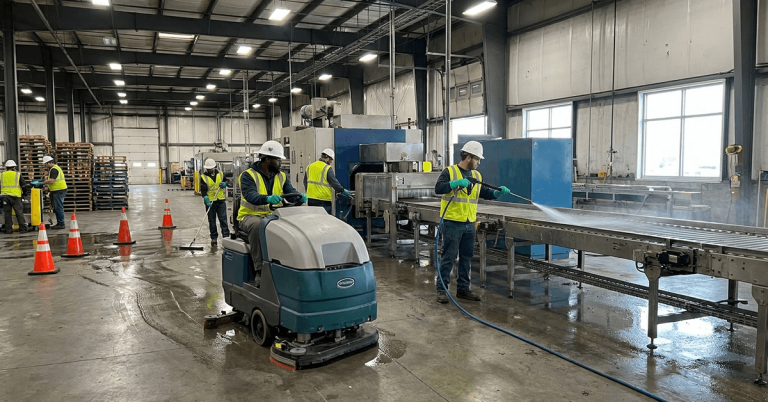
Cold storage. Loud machinery. Repetitive motions. Safety training that happens constantly because violations can result in serious consequences, including plant shutdowns. These are the realities nobody puts in the job listing.
But plenty of food production workers prefer this to sitting at a desk. The work is tangible. A shift ends and something real was made, processed, and shipped.
And the predictability of a set schedule, even when that schedule includes nights and weekends, appeals to people who want to know exactly what their week looks like.
Shift Scheduling and Flexibility
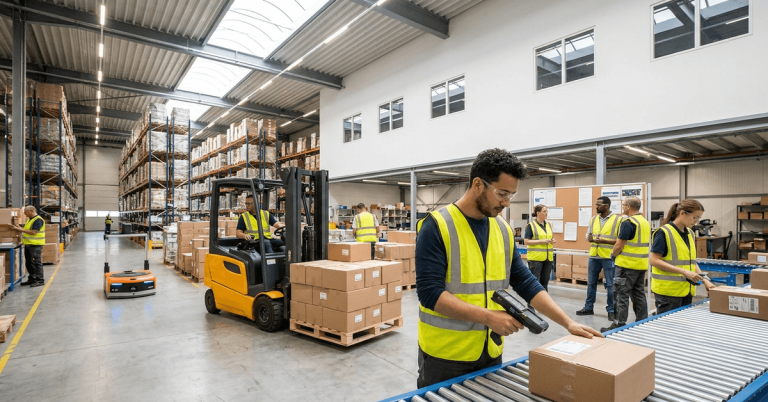
Shift scheduling can be demanding. Night shifts and weekend work are common. Some facilities offer rotating schedules that give workers different days off each week, which suits some lifestyles and frustrates others.
Larger companies tend to offer more predictable scheduling. Smaller operations may ask for more flexibility.
Growth and Advancement Paths
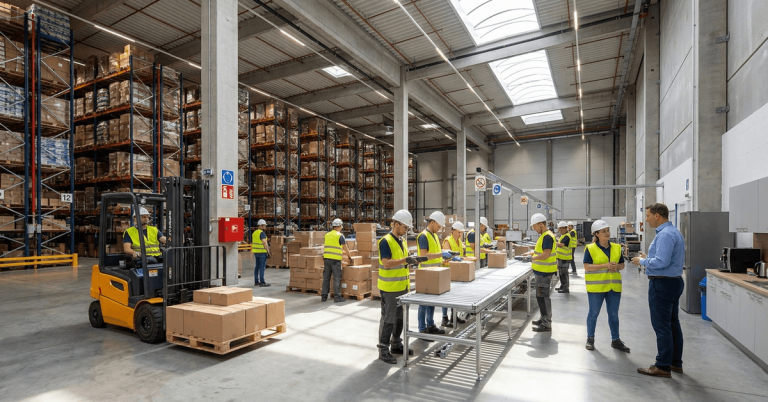
Entry-level workers who show up reliably often move into maintenance, logistics, or supervisory roles. Some companies support further education through certifications in food science, industrial maintenance, or logistics management.
Switching between facilities or companies is common too. Broader experience across different types of food processing (dairy, meat, bakery) tends to increase both employability and earnings over time.
Workers have legal rights to a safe environment and can report violations without fear of retaliation. Resources through OSHA provide clear guidelines and contact options for anyone who needs help.
Questions People Ask About Food Production Jobs in the US
Q: Do food production jobs require a high school diploma?
Many entry-level positions do not require a diploma, though having one can help when competing for higher-paying roles. Check the specific employer’s requirements on their careers page, as standards vary between companies and states.
Q: Are food production jobs seasonal or year-round?
The answer depends on the product. Meat and dairy processing tends to run year-round, while some produce-related positions spike during harvest seasons. Ask the hiring manager about seasonal layoff patterns before accepting an offer.
Q: How dangerous are food production jobs?
Injuries can happen, especially around heavy machinery and in cold storage environments. Employers are required to provide safety training, and OSHA oversees workplace conditions. The injury rate has improved over the last decade, but physical risks remain part of the job.
Q: Can I move up without a college degree?
Absolutely. Internal promotions from assembly line to supervisor are common, and the pay jump can exceed $10/hour. Certifications like HACCP or forklift operation speed that timeline up considerably.
Q: What’s the best state for food production work?
California, Texas, Iowa, Illinois, and Georgia lead in job volume. But “best” depends on your cost of living, preferred product type, and proximity to family. A $16/hour job in rural Iowa may stretch further than $20/hour in suburban California.
Conclusion
Food production jobs in the US remain one of the steadiest employment paths for workers without a four-year degree. The pay range between entry-level and supervisory roles rewards those who stick around and add certifications.
Walking into a plant still beats refreshing a job board in this industry. And the work, while physically demanding, offers the kind of predictable stability that fewer industries can match in 2026.