Working in pipeline jobs within oil and gas infrastructure introduces a world that’s both vital and misunderstood. Energy needs remain robust, especially in growing industries, making careers in this space surprisingly stable, even as other fields shift.
Curious individuals, those who enjoy solving practical challenges and don’t mind unpredictable environments, might find a rewarding future here.

Perhaps you’re searching for meaningful work, or maybe you’re simply drawn to fields with clear advancement routes. Either way, understanding what’s involved will help set realistic expectations and spark ideas about your potential fit.
Understanding Pipeline Jobs in Oil and Gas
Pipeline work covers a huge range of responsibilities supporting the safe transport of oil, natural gas, and related products. These aren’t just jobs for engineers—though those roles are critical.
There’s physical labor involved, of course, but also roles in inspection, tech support, management, and environmental safety. Infrastructure careers in energy can be cross-functional, blending team-based fieldwork with technical operations and logistics.
Types of Roles in the Pipeline Sector
Here’s a quick look at the core positions found along most oil and gas pipelines:
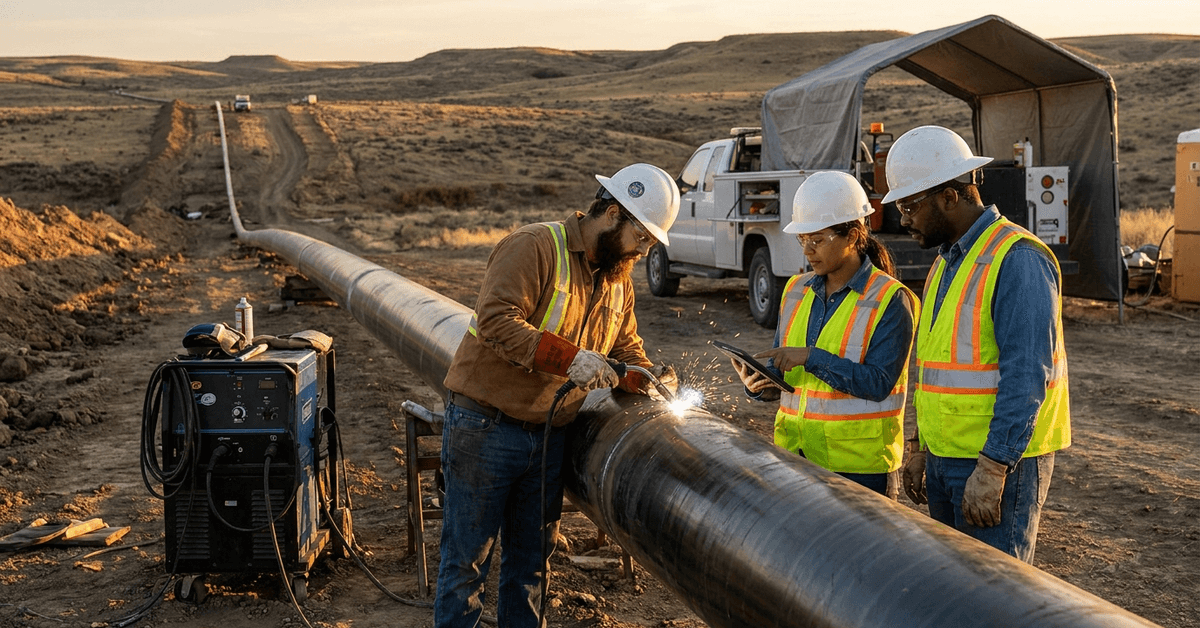
- Pipeline Operators: Oversee the flow of materials and monitor pipeline integrity
- Welders & Maintenance Technicians: Perform physical repairs, welding, and install upgrades
- Safety Inspectors: Ensure compliance with strict regulations and prevent accidents
- Engineers: Design, evaluate, and optimize pipeline systems
- Environmental Specialists: Monitor impact and ensure ecological standards are met
- Project Managers: Coordinate construction, repairs, and team safety
- Logistics & Supply Chain: Oversee materials sourcing and delivery schedules
Why Pipeline Jobs Offer Unique Career Stability
It may seem contradictory in an era of electric cars and renewable buzz, but oil and gas pipelines remain core to the global economy. Many sectors—manufacturing, shipping, even agriculture—still depend on oil and gas infrastructure.
The need to safely and efficiently move resources means pipeline careers haven’t faded—they’ve actually evolved, with new compliance, digital, and safety requirements driving up skills demand.
Changes do happen, though, and not every role will look the same in five years.
Strong Earning Potential and Benefits
Base salaries for pipeline workers tend to run higher than average in many regions, particularly for roles requiring special licenses or significant hours. Overtime work, hazard pay, and comprehensive insurance are also common.
It’s not always easy, but for someone willing to adapt, earnings can scale quickly with experience—and sometimes, the remote locations bring in additional compensation.
Opportunities for Advancement
Unlike some industries, seniority counts for a lot in pipeline careers. There are real promotion opportunities, often linked to experience, safety records, or management ability.
Training is widely available (sometimes mandatory), and companies tend to invest in their workforce.
Key Skills and Qualifications for Pipeline Infrastructure Careers
Skills needed for entry and progression in the sector blend the technical with the practical. In most cases, formal education is less critical than people think—though for engineering or inspection roles, degrees and certifications do matter.
Common Educational Paths
- High school diploma or equivalent: Minimum for most physically demanding roles
- Technical certifications (e.g., welding, crane operation): Often preferred, sometimes required
- Engineering degrees: Required for design and technical oversight positions
- Industry safety training: Mandatory for almost every worker
Technical and Soft Skills
- Mechanical aptitude: A basic comfort with tools and machinery goes a long way
- Problem-solving mindset: Enjoying puzzles and quick fixes really helps
- Communication: Coordinating work, especially under pressure, depends on clear talk
- Endurance and adaptability: Variable shifts, weather, and remote setups are routine
- Safety focus: Following procedures meticulously can’t be overstated
Day-to-Day Realities on the Job
One surprise for many newcomers is the mix of modern technology and traditional labor. Oil and gas pipelines often stretch for hundreds, even thousands of miles—a logistical marvel, where little things matter.
Days might involve digital monitoring systems one moment, hands-on fixes the next. Some days are routine; others, honestly, not so much.
Working Conditions
- Outdoor and remote work environments are the norm
- Extended hours during emergencies or scheduled shutdowns
- Teamwork is essential, though some jobs have solo tasks
There’s still something hands-on and practical about pipeline work—some people really enjoy it. Others find the unpredictability and weather less appealing. It can depend a lot on personal preference and, admittedly, your willingness to work odd hours.
How to Enter the Pipeline Job Market
Navigating the job search for oil and gas infrastructure roles can feel daunting at first, especially if you’re coming from a different industry. Some companies recruit directly, while others use staffing agencies focused on energy or industrial sectors.
Networking matters too—sometimes, getting a foot in the door is a matter of being in the right trade school or knowing someone from a previous project.
Where to Look for Pipeline Jobs
- Major oil and gas companies (e.g., Chevron, Shell, BP)
- Regional energy contractors
- Industry staffing agencies
- Specialized job boards (such as Oil and Gas Job Search and Energy Jobline)
Preparation Tips
- Update your resume to reflect relevant skills—even hands-on experience from unrelated roles can be valuable
- Research local certifications or safety tickets that are in demand
- Consider reaching out to trade schools or industry fairs for connections
Growth, Risks, and Industry Challenges
While robust, the pipeline industry isn’t immune to global changes—regulations, shifting energy demand, and even public opinion have impacts.
Some regions see growth (especially where new liquefied natural gas lines are expanding), while others face contraction.
The careers often reward versatility, but it’s not a zero-risk field. Technological advancements—like smarter sensors or remote-control equipment—can change job descriptions pretty fast, sometimes making previously specialized roles less manual.
Safety and Environmental Awareness
- Strict adherence to rules isn’t just for compliance—it saves lives
- Training gets updated frequently to keep pace with new risks
- Environmental specialists increasingly involved in daily operations
Many people working in these jobs feel pride in balancing resource management with safety and ecology.
There’s sometimes a tension between rapid growth and environmental caution, and it’s not always clear how this balance will evolve in the future.
Legal and Tax Considerations for Pipeline Workers
Pipeline jobs often come with unique legal frameworks, especially when projects cross state or national borders. Workers may need to understand not just labor rights, but also specific workplace regulations handling hazardous materials.
Taxation and Income Planning
- Income may fluctuate, especially with overtime or special project allowances
- It’s wise to track expenses—some equipment and travel costs might be deductible
- Consulting a tax professional who understands the sector can help demystify seasonal earnings and withholding issues
Conclusion
Pipeline jobs in oil and gas can provide strong earning potential for workers who value infrastructure, safety, and field skill.
By understanding training requirements, travel demands, and advancement paths, applicants can choose roles that support stable income and long-term growth.